Rwanda’s Forests of the Albertine Rift
Gishwati Mukura National Park lies in western Rwanda, between the highlands and the shores of Lake Kivu. It protects two separate forest areas, Gishwati and Mukura, and offers a very different experience from Rwanda’s open savannahs and volcanic mountain landscapes.
The forests are part of the wider Albertine Rift, one of Africa’s important regions for biodiversity. Walking beneath the tree canopy, listening for birds and following trails through the forest gives visitors a quieter experience of Rwanda, with the chance to encounter primates, butterflies and other forest life along the way.
Gishwati Mukura is also surrounded by a landscape shaped by farming, tea growing and local communities. This makes a visit about more than the forest itself. Travellers can combine nature experiences with cultural encounters and see how conservation exists alongside everyday life in western Rwanda.
Wildlife in Gishwati Mukura National Park
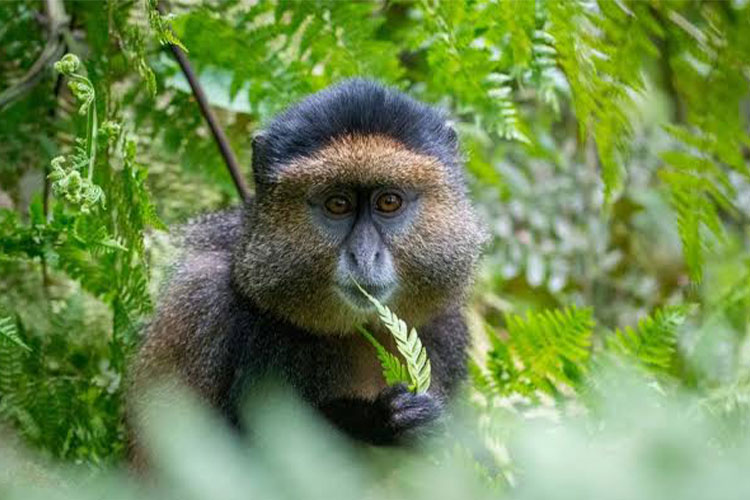
Gishwati Mukura is home to several species of primates and other forest wildlife. Chimpanzees are among the animals associated with the park, while black and white colobus monkeys, golden monkeys and blue monkeys can also be encountered in the forest.
The dense vegetation makes some wildlife difficult to see, so the experience is more about exploring the forest and remaining alert to movement, calls and tracks than expecting animals to appear in open spaces.
The forest also supports butterflies, small mammals and a variety of bird species. For travellers who enjoy quieter wildlife encounters, this makes Gishwati Mukura an interesting alternative to the country’s more heavily visited destinations.
Attractions in Gishwati Mukura National Park
Gishwati Forest
Gishwati Forest is one of the two protected forest areas that make up the national park. The forest provides habitat for primates, birds and other species while creating a cool, green environment for walking and nature exploration.
The surrounding landscape also includes tea plantations and farmland, giving visitors a clear view of how the protected forest fits into the wider countryside.
Mukura Forest
Mukura Forest forms the second main section of the park. Its dense vegetation and highland environment create habitat for wildlife and provide opportunities for guided forest walks and bird watching.
The forest is especially appealing to travellers who prefer less crowded natural destinations and want to spend time exploring Rwanda’s Albertine Rift landscapes.
Albertine Rift Landscape
The park sits within the Albertine Rift, a mountainous region known for its varied ecosystems and high biological diversity. The combination of forest, hills, farmland and nearby Lake Kivu creates a landscape that changes considerably across a relatively short distance.
Tea Plantations
Tea growing is an important part of the countryside around Gishwati Mukura. The neatly planted tea fields create a strong contrast with the natural forest and provide another side of the local landscape to experience during a visit.
Tea related experiences can be particularly interesting for travellers who want to see how agriculture shapes the communities surrounding the park.
Lake Kivu
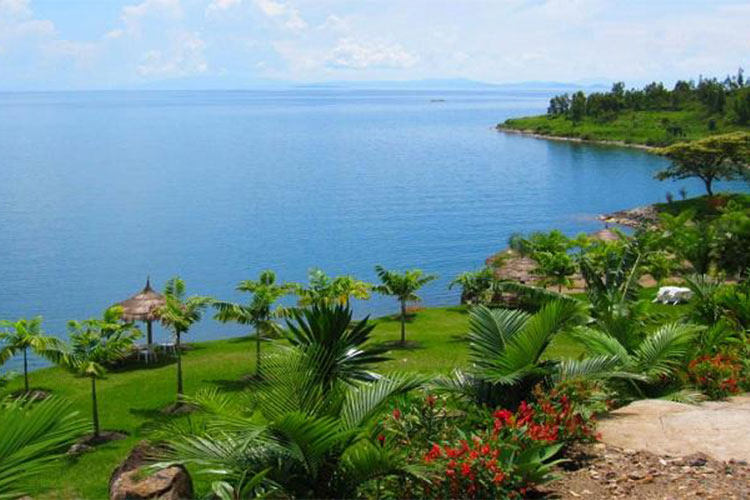
Lake Kivu lies close to Gishwati Mukura and can be incorporated into a wider journey through western Rwanda. The lake’s green hills, fishing communities and scenic shoreline provide a natural complement to the forest experience.
Things to Do in Gishwati Mukura National Park
Forest Walks
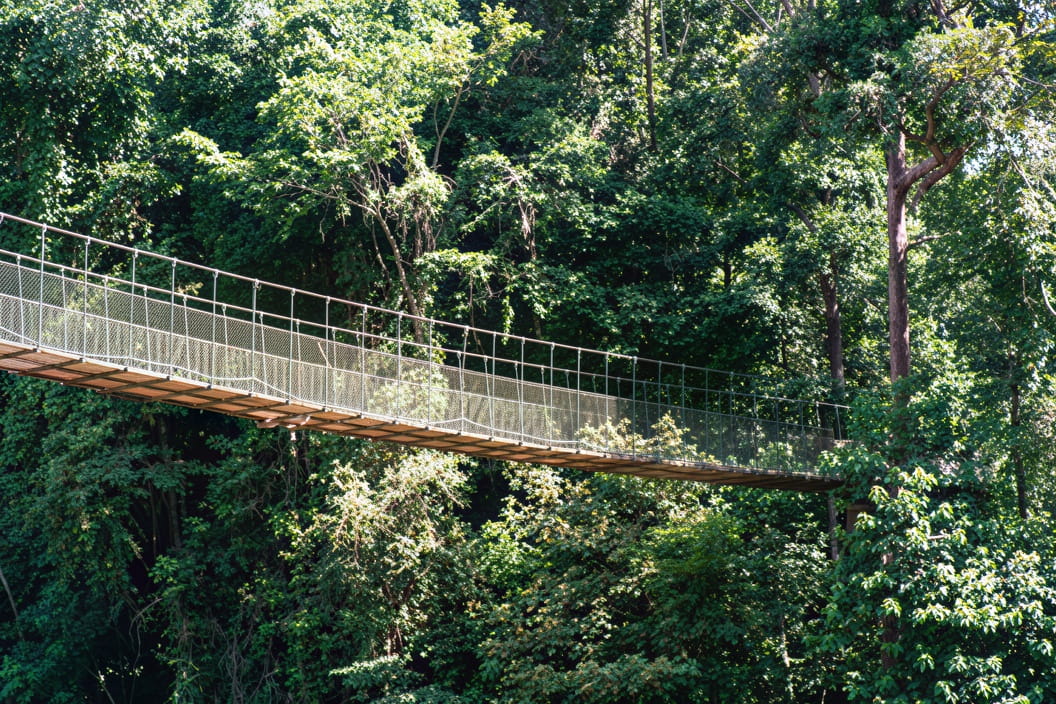
Guided forest walks are one of the best ways to experience Gishwati Mukura. Walking through the forest gives you time to look for primates, birds, butterflies and other wildlife while appreciating the different plants and trees around the trail.
The pace also allows you to experience the sounds and atmosphere of the forest rather than simply passing through it.
Primate Watching
Primate viewing is an important part of the Gishwati Mukura experience. Depending on the area and conditions, visitors may encounter chimpanzees, colobus monkeys, golden monkeys and other forest primates.
The thick forest means sightings can require patience, but following animal calls and movement through the trees adds to the excitement of exploring the park.
Bird Watching
The park’s forests provide habitat for a variety of forest birds, including species associated with the Albertine Rift. Bird watching can be combined with guided nature walks, allowing visitors to explore different parts of the forest while looking and listening for birds.
Early morning is particularly suitable for travellers who want to spend more time focused on bird activity.
Nature Photography
The combination of dense forest, highland scenery, tea plantations and surrounding hills provides plenty of opportunities for nature and landscape photography.
The forest itself offers close details of trees, plants and wildlife, while viewpoints outside the forest provide wider views of the surrounding countryside.
Tea Experiences
A visit to the tea growing areas around Gishwati can add a cultural and agricultural element to the journey. Travellers can learn about tea cultivation and see how an important local crop fits into the landscape around the protected forest.
Community Experiences
Communities around Gishwati Mukura have strong connections with the land surrounding the park. Community experiences can introduce visitors to local traditions, livelihoods, food, crafts and everyday life.
These visits help travellers experience western Rwanda beyond its forests and wildlife.
Hiking
The hilly terrain around Gishwati Mukura provides opportunities for travellers who enjoy walking and light hiking. Trails through and around the forest allow visitors to experience the changing elevations and landscapes of the region.
Longer walks can also be combined with other activities around Lake Kivu and the surrounding countryside.
Best Time to Visit Gishwati Mukura National Park
Gishwati Mukura can be visited throughout the year, but the drier periods are generally more comfortable for forest walks and hiking. June to September is one of the more favourable periods, with another relatively dry period around December to February.
The wetter months bring greener forest conditions and can be rewarding for bird watching and photography. Rain can make trails muddy and slippery, so visitors travelling during these periods should be prepared for wet conditions.
Because Gishwati Mukura can be combined with Lake Kivu and other destinations in western Rwanda, the best travel period may also depend on the wider itinerary.
How to Get to Gishwati Mukura National Park
By Road From Kigali
Gishwati Mukura is located in western Rwanda and can be reached from Kigali by road. The journey passes through the country’s characteristic rolling hills and countryside before reaching the western highlands.
The drive takes several hours, so the park is generally better suited to travellers who are including it as part of a wider Rwanda itinerary rather than making a quick day trip from Kigali.
From Lake Kivu
The park can be conveniently combined with Lake Kivu. Travellers staying around towns such as Rubavu or Karongi can continue towards the forest by road as part of a western Rwanda journey.
This route is useful for visitors who want to combine forest experiences with lakeside scenery and community visits.
By Road From Volcanoes National Park
Gishwati Mukura can also be included between Volcanoes National Park and Lake Kivu. This makes it possible to create a route that combines mountain gorilla trekking, forest exploration and lakeside experiences without returning to Kigali between every destination.