Uganda’s Great Nile Safari
Murchison Falls National Park is Uganda’s largest national park and one of the country’s defining safari destinations. The park lies at the northern end of the Albertine Rift, where the Bunyoro escarpment opens into broad savannah, woodland and riverine landscapes. At its centre, the Victoria Nile cuts through the park before being forced through a narrow gorge and plunging 45 metres at Murchison Falls.
The waterfall is the park’s most recognisable attraction, but it is only one part of the experience. The Nile, Lake Albert, open grasslands, woodland and riverine habitats support a wide variety of wildlife, creating opportunities for game drives, boat cruises, bird watching, sport fishing and forest experiences.
Murchison Falls also works well as part of a longer Uganda safari. The park can be combined with Ziwa Rhino Sanctuary, Budongo Forest, Kibale National Park, Queen Elizabeth National Park and other destinations, depending on the time available and the experiences you want to include.
Wildlife in Murchison Falls National Park
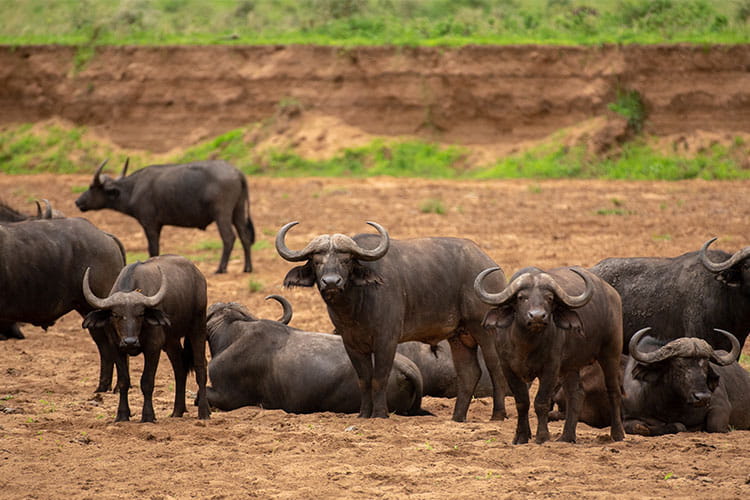
Murchison Falls offers some of Uganda’s best opportunities for traditional savannah wildlife viewing. Elephants, giraffes, buffaloes, Uganda kob, hartebeest, waterbuck and other antelopes are among the animals that can be encountered across the park.
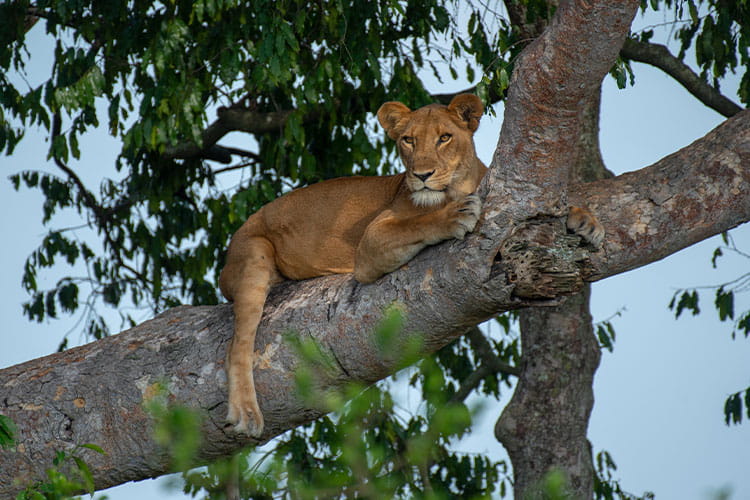
The northern sector is particularly known for its open savannah and concentrations of wildlife. Lions can be seen in the park, while leopards are present but more elusive. Around the Victoria Nile, hippos and crocodiles are common sights, especially during a boat cruise.
Giraffes are one of the park’s most recognisable animals, often seen moving through the open plains and woodland. The combination of grassland and water also creates opportunities for observing large herbivores as they move between feeding and drinking areas.
Murchison is also an important destination for bird watching. The park and surrounding conservation area support hundreds of bird species, with the Nile, river delta, woodland and savannah each offering different habitats. The shoebill is among the species that attracts bird watchers to the area.
Attractions in Murchison Falls National Park
Murchison Falls
Murchison Falls gives the national park its name and is the centrepiece of the landscape. The Victoria Nile is forced through a narrow gorge before dropping 45 metres below, producing the powerful waterfall that has become one of Uganda’s most recognisable natural sights.
The force of the water and the narrowness of the gorge make the falls particularly impressive when viewed from close range. The surrounding cliffs, vegetation and spray create a very different experience from the open savannah areas of the park.
Victoria Nile
The Victoria Nile runs through Murchison Falls National Park and is one of the most important features of the safari experience. Above and below the falls, the river creates a corridor for wildlife and supports a rich range of aquatic and bird species.
The river is also the setting for one of the park’s most popular activities, the boat cruise from Paraa towards the bottom of the falls.
Lake Albert
Lake Albert lies on the western edge of the park and forms part of the wider landscape around the Nile. The transition from the river to the lake creates an area of wetlands and open water that is particularly interesting for bird watching.
The Nile Delta area is also associated with opportunities to search for the shoebill and other water birds.
Paraa
Paraa sits along the Victoria Nile and is an important tourism area within the park. It is the starting point for boat cruises towards Murchison Falls and is also connected to the main game viewing areas by the ferry crossing.
The location of Paraa makes it a practical base for exploring both the northern and southern sides of the river during a safari.
Budongo Forest
Budongo Forest lies south of Murchison Falls National Park within the wider Murchison Falls Conservation Area. It is known for its large mahogany trees, forest biodiversity and chimpanzee tracking experiences.
For travellers combining wildlife with primate experiences, Budongo can add a forest element to a Murchison Falls journey without requiring a separate trip to Kibale.
Kaniyo Pabidi Forest
Kaniyo Pabidi lies within the southern part of the Murchison Falls Conservation Area and provides another opportunity to experience tropical forest. The area is known for forest walks, chimpanzee tracking and bird watching.
Its location makes it practical to combine with a Murchison Falls safari, particularly for travellers travelling through the southern approach to the park.
Things to Do in Murchison Falls National Park
Game Drives
Game drives are one of the best ways to explore Murchison Falls National Park. The open savannah in the northern sector provides good visibility and opportunities to search for elephants, giraffes, buffaloes, Uganda kob, antelopes and predators.
Early morning drives are particularly useful for wildlife viewing before the day becomes hotter. Late afternoon also provides good opportunities to explore, as animals become more active again and the changing light creates excellent conditions for photography.
Boat Cruise to the Bottom of the Falls
The boat cruise from Paraa towards the bottom of Murchison Falls is one of the park’s signature experiences. The journey follows the Nile through an area where hippos, crocodiles, elephants, buffaloes and numerous birds can often be seen along the riverbanks.
The closer you get to the falls, the more dramatic the river becomes. The cruise provides a completely different perspective of the park from a game drive and gives you time to watch wildlife gathered around the water.
Visit the Top of Murchison Falls
The Top of the Falls viewpoint allows visitors to see the Nile being squeezed through the narrow gorge before the water plunges downstream. The sound and force of the river are particularly noticeable from the viewpoint.
Visitors can reach the top by vehicle or combine the experience with a hike from the gorge after a boat cruise, depending on the arrangements for the day.
Night Game Drives
A night game drive gives you an opportunity to experience Murchison Falls after dark and search for animals that are less active or more difficult to spot during daylight.
With a spotlight and an experienced guide, you may encounter nocturnal species and predators moving through the park. It also gives you an entirely different view of the landscape once the daytime activity has disappeared.
Bird Watching
Bird watching can be done across Murchison Falls National Park and the surrounding conservation area. The Victoria Nile, Nile Delta, savannah, woodland and forest provide different habitats, giving bird watchers a wide range of environments to explore.
The shoebill is one of the most sought after birds in the area, while the forests around Kaniyo Pabidi provide opportunities to search for forest species and birds associated with the Albertine Rift.
Sport Fishing
Sport fishing is available along sections of the Nile below Murchison Falls. The area is known for Nile perch and tigerfish, attracting anglers looking for a more active experience during their visit.
Fishing trips require specific arrangements and follow the regulations governing activities within the protected area.
Chimpanzee Tracking
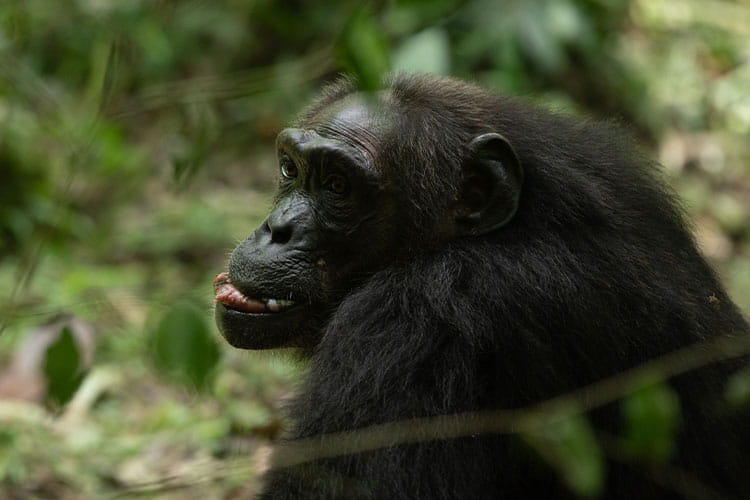
Chimpanzee tracking can be included in a wider Murchison Falls journey through Kaniyo Pabidi or Budongo Forest in the southern part of the conservation area.
The forest setting makes this very different from a Murchison game drive. Instead of crossing open plains, visitors follow forest paths in search of chimpanzees while experiencing the trees, birds and other primates found in the area.
Forest Walks
Forest walks around Budongo and Kaniyo Pabidi provide an opportunity to explore the southern part of the Murchison Falls Conservation Area on foot.
The experience focuses on the forest itself, with opportunities to notice trees, birds, primates and other wildlife that can easily be missed during a vehicle based safari.
Best Time to Visit Murchison Falls National Park
Murchison Falls National Park can be visited throughout the year, but the dry seasons from December to February and June to September are generally considered the most convenient periods for wildlife viewing. During these months, animals are more likely to gather around available water sources and roads are generally easier to navigate.
The wet seasons from March to May and October to November bring greener vegetation and different conditions across the park. This period can be attractive for photography and bird watching, although rainfall can make some roads and tracks more challenging.
Travellers planning a wider Uganda safari should also consider the other destinations included in the itinerary. The best travel period for Murchison may depend on whether you are combining it with chimpanzee trekking, gorilla trekking or other experiences.
How to Get to Murchison Falls National Park
By Road
Murchison Falls National Park is about 305 kilometres north of Kampala. The drive to the southern entrance takes around four to five hours under normal conditions, although the total journey can be longer depending on traffic, stops and the final destination within the park.
A common route approaches the park through Masindi and enters through Kichumbanyobo Gate. The park can also be approached from the north and west through other gates, depending on the safari route and the area you are visiting.
Once inside the park, additional driving time is needed to reach the main wildlife areas, the ferry and accommodation around Paraa.
By Air
Scheduled and chartered flights can be used to reach Murchison Falls from Entebbe International Airport or Kajjansi Airfield. Pakuba Airfield is particularly convenient for travellers staying around the main cluster of camps and lodges near Paraa, while Chobe and Bugungu airstrips offer additional access points.
Flying can be a useful option for travellers with limited time or those who want to reduce the amount of time spent travelling by road.