Uganda’s Wild Eastern Plains
Pian Upe Wildlife Reserve opens into a very different side of Uganda, with vast savannah plains, scattered acacia and thorn trees, rocky hills and distant mountain ranges stretching across the eastern landscape. Located in the Karamoja region, the reserve covers more than 2,300 square kilometres, making it one of Uganda’s largest protected areas and one of the country’s most remote wildlife destinations.
The landscape changes considerably with the seasons. During the rains, the grasslands turn green and seasonal watercourses fill across the plains. In the drier months, the vegetation becomes more open and the wildlife becomes easier to spot around the remaining water sources. Mount Kadam and other surrounding highlands add a dramatic backdrop to the otherwise open terrain.
Pian Upe is particularly appealing to travellers who want to experience Uganda away from the busier safari routes. The reserve receives fewer visitors than destinations such as Murchison Falls and Queen Elizabeth, giving travellers more space to explore the landscape, observe wildlife and experience the wider culture of eastern Uganda.
Wildlife in Pian Upe Wildlife Reserve
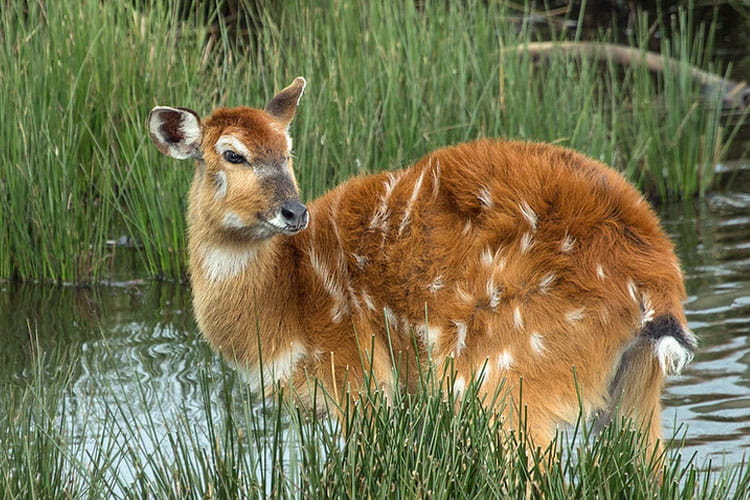
Pian Upe supports wildlife adapted to its open, semi arid environment. The reserve is known for Uganda kob, eland, hartebeest, oribi, reedbuck, waterbuck, roan antelope, topi, zebra and other plains species.
Cheetahs are among the more unusual wildlife associated with Pian Upe, while leopards, spotted hyenas and jackals are also found within the reserve. Larger animals can be widely dispersed across the plains, so wildlife viewing often involves travelling through different areas rather than expecting animals to be concentrated around a single waterhole.
The reserve is particularly important for species such as roan antelope and eland. During wetter periods, some wildlife moves between Pian Upe and neighbouring conservation areas, adding to the seasonal character of the landscape.
Attractions in Pian Upe Wildlife Reserve
Open Savannah Plains
The wide grasslands are one of the defining features of Pian Upe. Long stretches of open country are broken by scattered trees, rocky outcrops and distant hills, creating broad views in every direction.
These plains provide habitat for several antelope species and other wildlife while giving visitors a strong sense of the scale and isolation of the reserve.
Mount Kadam
Mount Kadam rises prominently near the reserve and provides an impressive backdrop to the plains. The mountain reaches more than 3,000 metres and forms part of the highland landscape surrounding Pian Upe.
The mountain and surrounding hills also provide opportunities for hiking and nature exploration beyond the traditional wildlife safari.
Seasonal Watercourses
Seasonal streams and wetlands appear across parts of Pian Upe during the rainy periods. These water systems are important for wildlife and contribute to the changes that occur across the reserve throughout the year.
During the dry season, the remaining water sources become particularly important to animals moving across the plains.
Napedet Cave
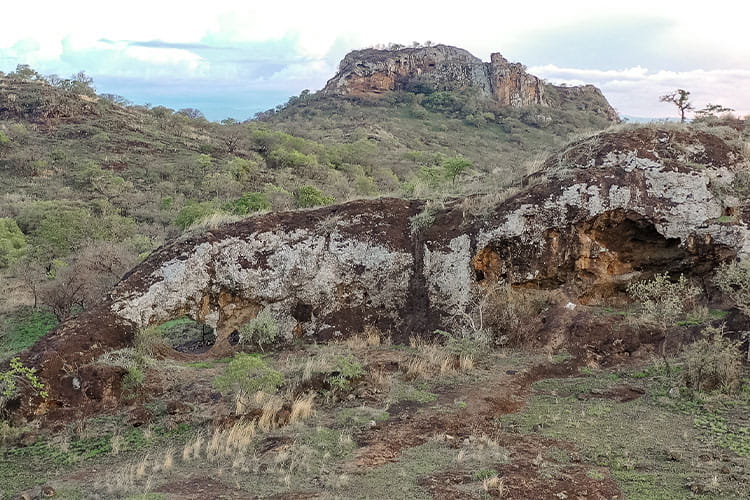
Napedet Cave is one of the cultural and historical attractions associated with the Pian Upe landscape. The cave contains rock paintings depicting animals and provides an opportunity to explore part of the area’s earlier human history.
Reaching the cave involves a guided hike, making the experience suitable for travellers who want to combine nature, scenery and cultural interest.
Karamoja Landscape
Pian Upe lies within the wider Karamoja region, where open plains, mountains and pastoral communities form part of the surrounding landscape. The scenery changes significantly as you travel towards the reserve, with traditional homesteads, livestock and mountain ranges forming part of the journey.
Things to Do in Pian Upe Wildlife Reserve
Wildlife Game Drives
Game drives are the main way to explore Pian Upe and cover the large distances between its different wildlife areas. The open terrain makes it possible to scan the plains for zebra, eland, Uganda kob, hartebeest, waterbuck, roan antelope and other animals.
Early morning and late afternoon are particularly good times to be out in the reserve. Cooler temperatures make the drive more comfortable, while wildlife is generally more active during these periods.
Because Pian Upe is such a large protected area, wildlife viewing can require patience. A good 4 wheel drive vehicle and an experienced guide are important when exploring the less accessible tracks.
Bird Watching
Pian Upe offers excellent opportunities for bird watching, particularly for species associated with dry savannah and open grassland environments.
Ostriches, secretary birds, Kori bustards, Abyssinian ground hornbills, raptors and other grassland species can be encountered across the reserve. Birding is particularly rewarding during early morning drives and walks when bird activity is high.
Nature Walks
Guided nature walks provide a closer way to experience Pian Upe. Instead of covering large distances by vehicle, walking allows you to focus on plants, animal tracks, insects, birds and smaller details within the landscape.
The experience is also useful for travellers interested in understanding how plants and wildlife have adapted to the reserve’s dry conditions.
Hiking
The hills and mountains surrounding Pian Upe provide opportunities for travellers who want to add hiking to their wildlife safari.
Mount Kadam and Mount Napak are among the mountains associated with the wider region, while shorter hikes can take visitors towards viewpoints, caves and other features within the reserve and surrounding landscape.
Photography
Pian Upe’s open horizons and changing light make it particularly attractive for wildlife and landscape photography. The combination of grasslands, distant mountains, scattered trees and wildlife creates wide compositions that are very different from the dense forests and enclosed landscapes found in other parts of Uganda.
Early morning and late afternoon provide softer light across the plains and can be particularly rewarding for photographers.
Cultural Experiences
A visit to Pian Upe can be combined with cultural experiences in the wider Karamoja region. Visitors can meet local communities, learn about pastoral traditions, listen to stories and experience traditional music and dance.
Cattle keeping has a central role in the region’s culture, and community visits offer a chance to understand how people live alongside the wildlife and landscapes around the reserve.
Best Time to Visit Pian Upe Wildlife Reserve
Pian Upe can be visited throughout the year, but the dry seasons are generally easier for wildlife viewing and road travel. December to February and June to August are commonly considered favourable periods for exploring the reserve.
During the dry months, vegetation becomes less dense and animals can be easier to spot across the open plains. Water sources also become more important, which can influence where wildlife is found.
The wet seasons transform the reserve into a greener landscape. This can be an excellent period for bird watching, photography and seeing the plains after rainfall, although some roads can become difficult to navigate.
How to Get to Pian Upe Wildlife Reserve
By Road
Pian Upe is located in eastern and northeastern Uganda and can be reached from several directions. Travellers can approach through Mbale, Soroti or Moroto depending on the wider safari route.
A journey from Kampala involves travelling east and then north towards the Karamoja region. The road distance and travel time depend heavily on the route and the specific area of the reserve being visited.
Because some access roads and internal tracks can be challenging, particularly during the wet season, a suitable 4 wheel drive safari vehicle is recommended.
From Mbale
Mbale is one of the useful access points for travellers approaching Pian Upe from the south and combining the reserve with Mount Elgon, Sipi Falls or other destinations in eastern Uganda.
This route can work particularly well for travellers who want to combine mountain scenery with the open plains of Pian Upe.
From Moroto
Travellers exploring Karamoja can approach Pian Upe from the Moroto side and combine their visit with other destinations and cultural experiences across the region.
This makes Pian Upe a useful part of a longer eastern and northeastern Uganda safari rather than simply a standalone destination.
Where to Stay Near Pian Upe Wildlife Reserve
Accommodation around Pian Upe is more limited than in Uganda’s established safari parks. Visitors can find basic lodges, camps and guesthouses in nearby towns and some camping options closer to the reserve.
Because of the reserve’s remote setting, it is important to plan accommodation and transport together. Staying close to the reserve can also make early morning game drives and guided activities more convenient.
Travellers combining Pian Upe with destinations such as Mount Elgon, Sipi Falls or Karamoja may also choose accommodation based on the wider route.