About Kibale National Park
Kibale National Park is one of Uganda’s most rewarding forest destinations, best known for its chimpanzees and remarkable variety of primates. Located in western Uganda, the park is covered by lush tropical forest and surrounded by rolling countryside, tea plantations and crater lakes.
The chimpanzees are the main attraction, but the experience goes beyond one species. Forest trails offer opportunities to encounter monkeys, birds, butterflies and other wildlife, while nearby Bigodi provides a chance to explore wetlands and experience the surrounding community.
Kibale also works naturally with other western Uganda destinations. A safari can easily combine chimpanzee trekking here with the wildlife of Queen Elizabeth National Park or continue south towards Bwindi for gorilla trekking.
Attractions in Kibale National Park
Kibale Forest
The dense tropical forest is the heart of the park, with towering trees, winding trails and a rich variety of plant and animal life. Walking through the forest gives visitors a completely different experience from a traditional savannah safari.
Chimpanzees
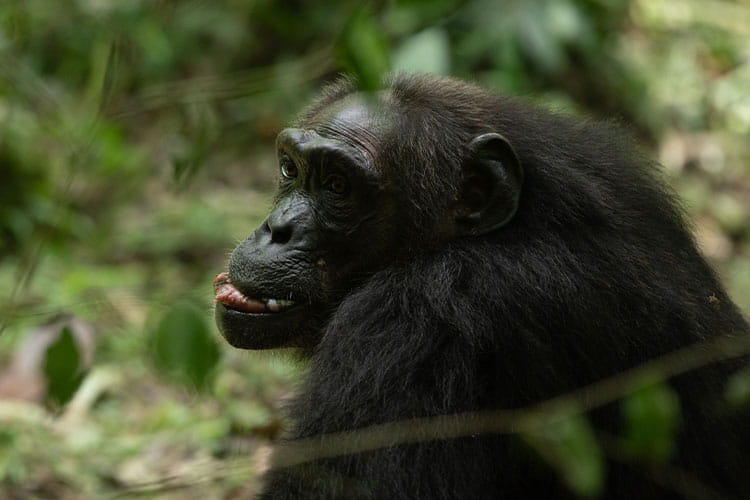
Kibale is famous for its chimpanzee population, making it one of Uganda’s leading destinations for chimpanzee trekking. Watching a family move through the forest, communicate and interact is often the highlight of a visit.
Bigodi Wetland Sanctuary
Located close to the park, Bigodi is known for its wetlands, birdlife, primates and community tourism. Guided walks take visitors through the wetland while offering a closer look at both nature and local life.
Crater Lakes
The countryside around Kibale is dotted with beautiful crater lakes surrounded by green hills, tea plantations and forest. The area is ideal for scenic drives, photography and relaxed walks.
Forest Birdlife
The combination of mature forest and wetland habitat makes Kibale a rewarding destination for bird watchers, with opportunities to explore different habitats during the same trip.
Things to Do in Kibale
Chimpanzee Trekking
Enter the forest with your guide and follow the trails in search of chimpanzees. The trek is active and unpredictable, with the excitement coming from following signs of movement before finally finding the troop.
Chimpanzee Habituation Experience
Spend more time in the forest with chimpanzees that are being habituated to human presence. The experience offers a longer and more detailed look at their daily behaviour and interactions.
Bigodi Wetland Walk
Walk through the wetlands surrounding Bigodi and look out for monkeys, birds and other wildlife while learning more about the communities living around the area.
Forest Nature Walks
Explore Kibale without making chimpanzees the sole focus. Nature walks offer time to appreciate the forest, identify plants, watch birds and look for smaller wildlife.
Bird Watching
Kibale is a strong destination for birding, with forest and wetland habitats supporting a broad range of species. Bigodi is particularly popular for visitors who want to combine bird watching with a community experience.
Night Forest Walks
Experience the forest after dark on a guided night walk and look for nocturnal wildlife that is rarely active during the day, including bushbabies and other forest creatures.
Cultural Experiences
Spend time with communities around Kibale through local walks, demonstrations, food and other cultural activities that offer a glimpse into everyday life in the region.
Crater Lake Excursions
Explore the crater lakes around the Kibale region, taking in the scenery, tea plantations and quiet countryside away from the main trekking areas.
Wildlife in Kibale National Park
Chimpanzees are the star attraction, but Kibale supports a much wider range of wildlife. Visitors may encounter red-tailed monkeys, black-and-white colobus monkeys, blue monkeys, L’Hoest’s monkeys, grey-cheeked mangabeys and other primates.
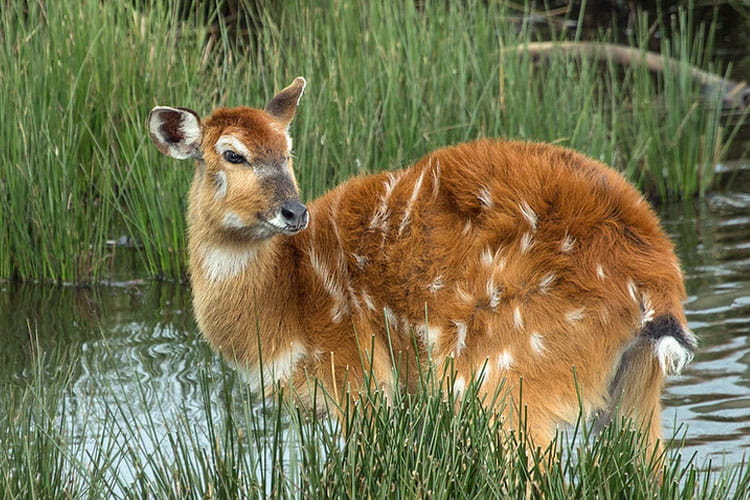
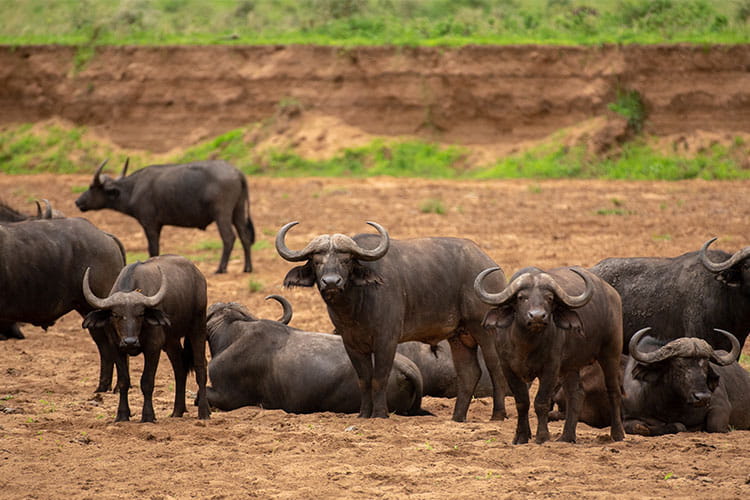
The forest also supports elephants, buffaloes, bushbucks, warthogs and other mammals, while the surrounding wetlands provide habitat for additional wildlife and bird species.
Best Time to Visit Kibale National Park
Kibale can be visited throughout the year.
The drier months are generally more convenient for travelling around western Uganda, with better road conditions and trails that can be easier to navigate. These periods are commonly associated with June to September and December to February.
The wetter months bring a greener forest and can be especially attractive to photographers and bird watchers. Chimpanzee trekking remains available throughout the year, so the best time to visit can also depend on the other destinations included in your safari.
How to Get to Kibale National Park
By Road
Kibale is accessible from Kampala through Fort Portal, with the journey continuing towards the park and the Kanyanchu area.
The park is also easy to combine with other western Uganda destinations. Travellers can continue from Kibale to Queen Elizabeth National Park, making it possible to combine chimpanzee trekking with game drives and a Kazinga Channel boat cruise.
For longer journeys, Kibale can also be connected with Bwindi, Mgahinga and other destinations in southwestern Uganda.
By Air
Travellers who prefer to shorten the road journey can fly from Entebbe or Kajjansi towards the Fort Portal or Kasese area and continue by road to Kibale.
The most suitable flight and transfer option depends on the rest of the itinerary.