About Katonga Wildlife Reserve
Katonga Wildlife Reserve covers approximately 207 square kilometres in western Uganda, around the Kyenjojo and Kamwenge area. The reserve takes its name from the Katonga River, which passes through its landscape and forms part of a larger wetland system connected to the Nile.
The reserve was gazetted as a game reserve in 1964 and later became a wildlife reserve under the management of the Uganda Wildlife Authority. It was originally established as a corridor for wildlife moving between western Uganda and other parts of the region.
Its habitat is a mixture of grasslands, wooded grasslands, woodland, riverine vegetation, swamp and extensive areas of papyrus. Some sections contain pockets of riverine and tropical forest, creating a variety of environments within a relatively compact area.
Wildlife in Katonga Wildlife Reserve
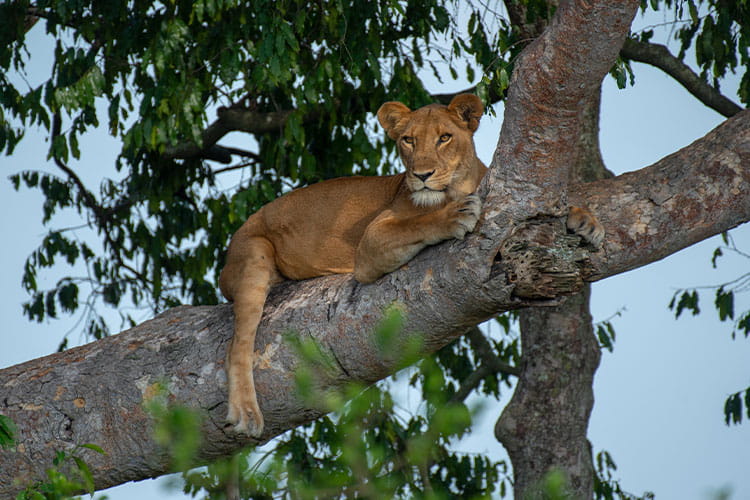
Katonga supports more than 40 mammal species as well as a wide range of bird species. The wildlife is spread across the reserve’s grasslands, wetlands, woodland and forest, so different areas provide different opportunities for sightings.
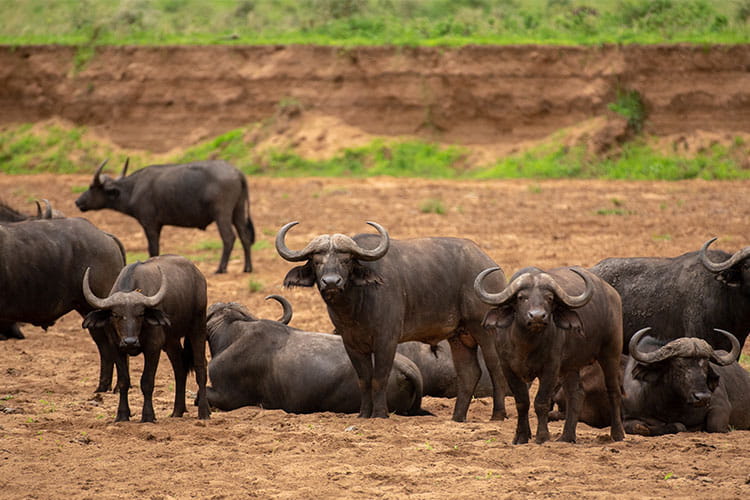
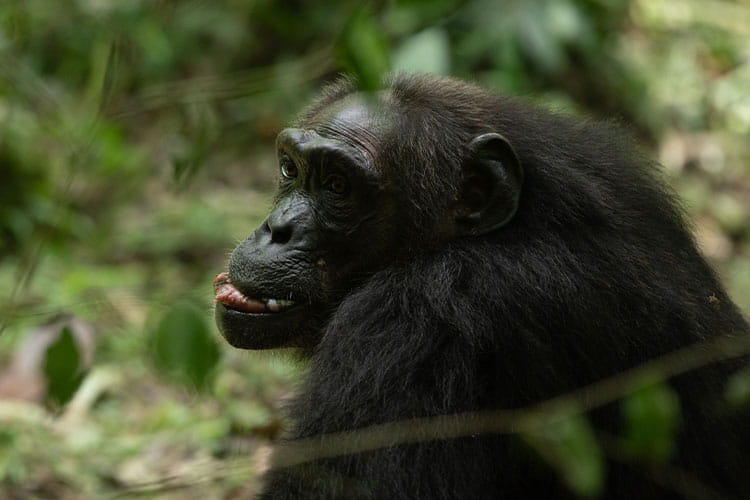
Animals found in the reserve include sitatunga, waterbuck, Uganda kob, reedbuck, bushbuck, warthog, buffalo, elephant, topi, impala, duiker and river otter. Several primate species can also be encountered, including olive baboons, vervet monkeys and black and white colobus monkeys.
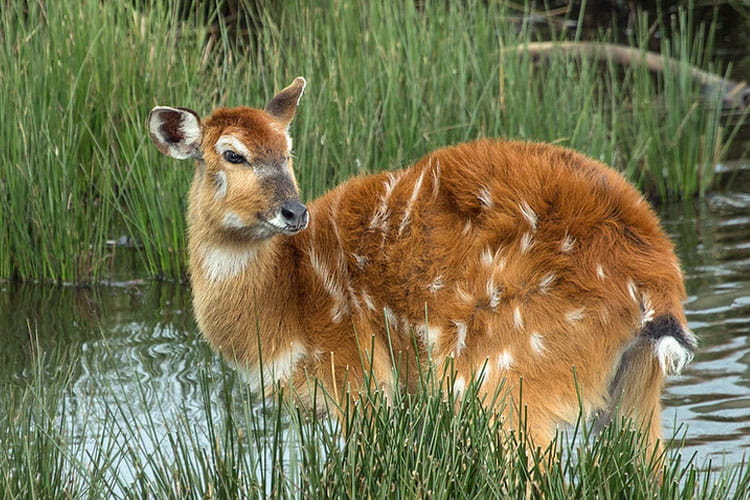
The sitatunga is one of Katonga’s most distinctive animals. This shy antelope is adapted to swamp environments and spends much of its time among papyrus and wetland vegetation. It can be difficult to spot, which makes looking for one an exciting part of a visit to the reserve.
Wildlife viewing in Katonga is different from visiting a park where large herds are the main attraction. Here, patience and careful observation matter. A quiet walk along a trail or a slow canoe ride can reveal wildlife that may easily be missed from a vehicle.
Attractions in Katonga Wildlife Reserve
Katonga River
The Katonga River is one of the defining features of the reserve. It runs through the wetland landscape and supports a variety of habitats along its banks.
The river also provides an opportunity to experience the reserve from the water. A canoe trip along the river and its connected channels allows you to move quietly through the landscape while watching birds, vegetation and wildlife along the banks.
Katonga Wetlands
The wetlands cover a large part of the reserve and are central to its wildlife and scenery. Papyrus swamps, permanent wetlands and seasonal water areas create habitats for a variety of animals and birds.
The wetland environment also gives Katonga its peaceful character. The sounds of birds, flowing water and surrounding vegetation become part of the experience as you explore the area.
Sitatunga
Katonga is particularly associated with the sitatunga, a swamp dwelling antelope that is specially adapted to wet environments. Its elongated hooves help it move through soft swampy ground, while its behaviour makes it a challenging animal to find.
Early morning exploration along the sitatunga trail can provide one of the best opportunities to search for these elusive antelopes.
Papyrus Swamps
The papyrus swamps are among the most distinctive features of Katonga. Tall papyrus vegetation lines many of the waterways and creates shelter for wetland wildlife and birds.
Exploring these areas by canoe gives travellers a close view of the wetland vegetation and provides a quieter way to search for animals along the water.
Riverine Forest
The reserve also contains areas of riverine forest and woodland. These provide habitat for primates, birds, butterflies and other smaller wildlife that may not be encountered in the open grasslands.
Walking through these areas adds another dimension to a Katonga visit and allows you to experience more than the wetland environment alone.
Grasslands and Woodland
The open grasslands and woodland areas support several antelope species and other mammals. These sections of the reserve provide a contrast to the dense papyrus wetlands and forest.
The changing landscape also means that a guided walk can offer several different experiences within the same outing.
Things to Do in Katonga Wildlife Reserve
Canoe Trips
A canoe trip is one of the best ways to experience Katonga’s wetland environment. Instead of travelling quickly through the reserve, you move quietly along the water and have time to observe what is happening around you.
Look along the edges of the papyrus for waterbuck, sitatunga and other wetland wildlife, while the waterways provide opportunities to see kingfishers, herons, storks and other birds. Early morning canoe trips can be especially rewarding when the wetlands are cool and bird activity is beginning for the day.
Guided Nature Walks
Nature walks give you the opportunity to experience Katonga without the distance created by a safari vehicle. With a guide, you can explore trails through grasslands, woodland, forest and wetland edges while looking for animal tracks, birds, butterflies, plants and smaller wildlife.
The walks also allow you to learn more about how the different habitats fit together and why the Katonga wetland system is important to the animals and communities around it.
Sitatunga Tracking
Searching for sitatunga is a specialised wildlife experience in Katonga. These animals spend much of their time hidden in wetland vegetation and can be difficult to observe from a distance.
An early morning walk along the Sitatunga Trail gives you time to carefully explore the swamp edges and look for signs of movement. Finding one is not simply about luck. It also requires patience, quiet movement and careful observation.
Wildlife Viewing
Wildlife viewing in Katonga can take place across the reserve’s different habitats. You may encounter Uganda kob, waterbuck, reedbuck, bushbuck, warthogs, buffaloes, elephants, primates and other species.
The reserve is best suited to travellers who enjoy the process of discovering wildlife rather than expecting large concentrations of animals at every turn. Each sighting can feel like part of the exploration.
Bird Watching
Katonga is a rewarding destination for bird watchers because of its mixture of wetlands, woodland, forest and grasslands. More than 150 bird species have been recorded in the reserve.
The waterways and papyrus areas are especially interesting for wetland birds, while the woodland and forest sections provide opportunities for different species. Canoe trips and guided walks can both be used to explore the reserve with bird watching in mind.
Nature and Landscape Photography
The reserve provides plenty of opportunities for photography. Papyrus lined waterways, reflections on the river, open grasslands and forest edges create different scenes throughout the day.
Early mornings are particularly appealing for photographers because of the softer light and quieter conditions. Canoe trips can also provide interesting views of the wetlands from the water.
Community Experiences
A visit to Katonga can also include time with communities around the reserve. The area is home to Banyankole communities with strong cattle keeping traditions, including the long horned Ankole cattle for which the region is well known.
A community experience can add a cultural element to a wildlife visit and give travellers a better understanding of life around the reserve.
Trails in Katonga Wildlife Reserve
Sitatunga Trail
The Sitatunga Trail is particularly suited to travellers searching for the reserve’s famous wetland antelope. An early morning walk takes you towards the swamp edges where sitatunga are sometimes found.
The trail also provides opportunities to see birds and other wildlife while experiencing the wetland environment on foot.
Kyeibale Trail
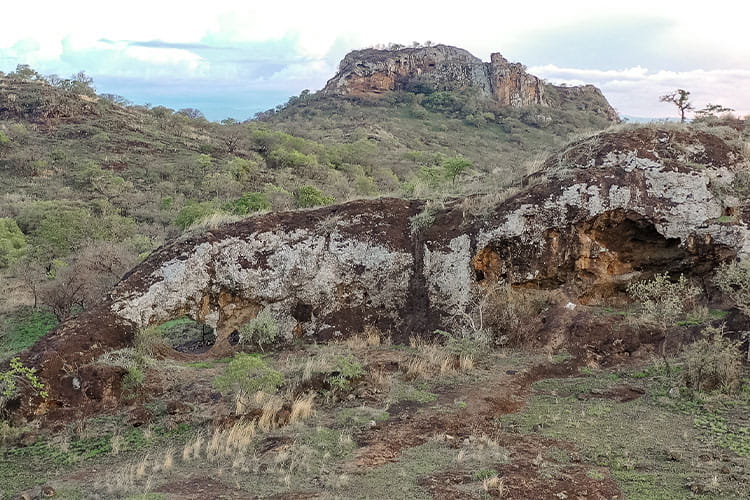
The Kyeibale Trail follows a circular route through scrubland and forest. Along the way, the landscape includes interesting rock formations and caves used as shelter by animals.
It is a good option for travellers who want to experience some of Katonga’s woodland and forest environments rather than concentrating entirely on the wetlands.
Kisharara Trail
The Kisharara Trail passes through savannah towards the wetland canal before following the Katonga River and one of its tributaries.
The changing habitats along the route create opportunities to see mammals, primates and birds while experiencing several sides of the reserve during one walk.
Wetland Canal
The wetland canal can be explored by canoe through reeds and papyrus. The route provides an opportunity to look for wetland mammals and birds while travelling slowly through the waterways.
Best Time to Visit Katonga Wildlife Reserve
Katonga can be visited throughout the year, although the drier periods are generally more convenient for walking, wildlife viewing and moving around the reserve. The commonly preferred periods are December to February and June to September.
During the wetter months, the vegetation becomes greener and the wetlands are particularly attractive. This can be a good time for bird watching and photography, although rainfall can make some trails and access routes more difficult.
Because Katonga is heavily influenced by its wetland environment, weather conditions can change quickly. It is worth checking local conditions when planning activities, particularly if your visit includes canoeing or longer nature walks.
How to Get to Katonga Wildlife Reserve
By Road
Katonga Wildlife Reserve is approximately 200 kilometres from Kampala. A common route takes you west along the Kampala to Mubende road before continuing towards Kyegegwa.
From Kyegegwa, continue south for approximately 42 kilometres towards the reserve, following the available signs towards the access areas and reserve headquarters.
The journey takes several hours, depending on the road conditions, traffic and your exact starting point. Some sections around the reserve can become more difficult during periods of heavy rain, so a suitable safari vehicle is recommended.
Katonga can also be incorporated into a western Uganda safari, making it possible to combine the reserve with other destinations rather than travelling there and returning directly to Kampala.
By Air
Katonga is primarily accessed by road. Travellers arriving in Uganda by air can land at Entebbe International Airport before continuing overland as part of their safari arrangements.
Because the reserve can be combined with other destinations in western Uganda, the road journey can form part of a longer itinerary rather than being treated as a separate transfer.