
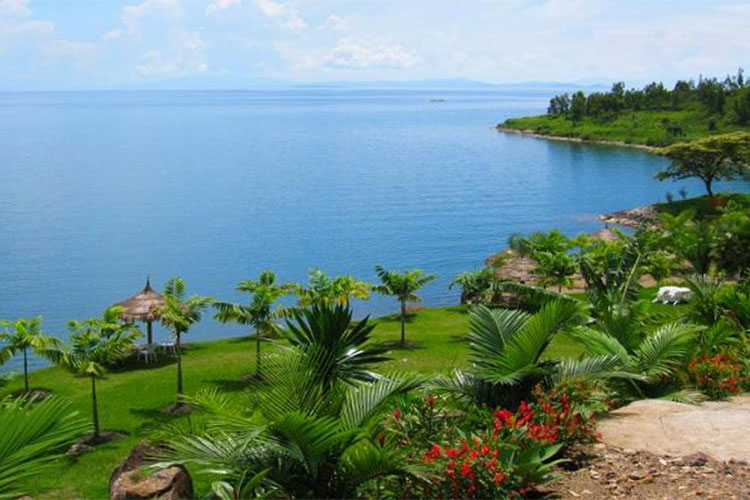
Lake Kivu
Lake Kivu Rwanda’s Scenic Lakeside Escape Lake Kivu offers a slower and more relaxed side of Rwanda, with blue waters
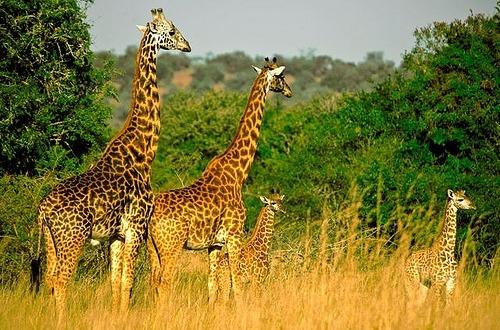
Akagera National Park offers a completely different experience from the volcanic mountains and rainforest destinations of northern and western Rwanda. Located in the eastern part of the country along the Tanzanian border, the park is a broad landscape of savannah, woodland, wetlands and lakes, with rolling hills creating a striking backdrop across parts of the park.
Covering about 1,122 square kilometres, Akagera is Rwanda’s main traditional wildlife safari destination. Its network of lakes, rivers, papyrus swamps and grasslands supports a wide range of animals and birds, while the open landscape gives travellers a very different view of Rwanda from the forested slopes of Volcanoes National Park.
Akagera has also become known for its wildlife recovery. Lions, eastern black rhinos and southern white rhinos have been reintroduced to the park, bringing the Big Five together within Rwanda. For travellers, this means Akagera can offer the excitement of searching for large mammals while still providing the quieter experiences that come with exploring wetlands and waterways.
Akagera is home to a strong variety of savannah wildlife, with elephants, buffaloes, giraffes, zebras, impala, topi, waterbuck, eland, bushbuck and other antelope species found across the park.
The park also supports lions, leopards and hyenas, although predators are naturally more difficult to find than many of the grazing and browsing animals. Rhino sightings are another important part of the park’s growing wildlife experience, while hippos and crocodiles are closely associated with its lakes and waterways.
The location and size of Akagera mean wildlife can be spread across large areas. A game drive therefore involves more than simply moving between known sightings. You spend time reading the landscape, checking open plains and woodland edges, and watching areas around water where animals are more likely to gather.
Birdlife is another major attraction. Akagera has recorded around 500 bird species, with wetlands, lakes, woodland and savannah creating a wide range of habitats for both resident and migratory birds.
Lake Ihema is one of the most important features of Akagera and one of the best places to experience the park from the water. The lake is surrounded by wetlands and supports hippos, crocodiles and a variety of water birds.
Its shoreline also attracts wildlife, making a boat trip particularly rewarding for travellers who want to see the park from a different perspective.
The open plains give Akagera its classic safari character. Long stretches of grassland create good visibility for wildlife viewing and provide grazing areas for zebra, antelope and other herbivores.
During a game drive, the scenery can change from open grassland to woodland and wetland areas, giving the safari more variety than the open plains alone suggest.
Wetlands and papyrus swamps connect many of the park’s lakes and provide important habitat for aquatic wildlife and birds.
These areas are one of the reasons Akagera feels so different from Rwanda’s mountain and forest destinations. The waterways become an important part of the scenery as you move through the park.
Lake Rwanyakazinga is part of the wider lake system within Akagera and forms another important wetland habitat. The surrounding landscape combines water, vegetation and open areas where wildlife can be encountered.
The lake and surrounding wetlands also contribute to the park’s birding opportunities and scenic appeal.
Akagera is not entirely flat. Rolling hills rise above parts of the park and create broad views across the savannah, lakes and wetlands.
These elevated areas provide some of the park’s best landscape views and are particularly attractive during early morning and late afternoon when the light changes across the plains.
Game drives are at the heart of the Akagera experience. The park’s network of tracks takes you through open savannah, woodland and wetland habitats while you search for wildlife.
Early morning drives are particularly useful for travellers hoping to see active wildlife before temperatures rise. Afternoon drives offer another opportunity as animals begin becoming more active towards evening.
Elephants, giraffes, buffaloes, zebras, antelopes and other species can be encountered during drives, while finding predators such as lions and leopards requires patience and a little luck.
A boat safari on Lake Ihema gives you a completely different way to experience Akagera. Instead of following tracks through the savannah, you move slowly across the water and along the shoreline.
Hippos and crocodiles are commonly associated with the lake, while birds gather around the wetlands and water’s edge. Elephants and other wildlife may also be seen near the shoreline.
Akagera becomes a very different place after sunset. Night game drives allow you to search for animals that are more active after dark and experience the park when the sounds and movement of the bush change.
With a spotlight and guide, you may encounter nocturnal animals such as bushbabies, genets and mongooses, while predators may also be active during the night.
Akagera is one of Rwanda’s strongest bird watching destinations because of the range of habitats found within the park. Lakes, papyrus wetlands, woodland and open grassland all attract different species.
The shoebill is one of the birds that attracts particular interest, while kingfishers, herons, egrets, storks and other wetland species can be encountered around the waterways.
Exploring Akagera on foot offers a closer connection with the bush. Walking allows you to pay attention to animal tracks, plants, insects, birds and smaller details that can easily be missed from a vehicle.
The experience is quieter than a game drive and gives travellers a different understanding of the park’s habitats.
Akagera’s combination of open plains, lakes, wetlands, wildlife and rolling hills creates excellent opportunities for photography.
Game drives provide opportunities for wildlife photography, while boat trips offer reflections, shoreline scenes and close views of water based wildlife and birds. The early morning and late afternoon light can also transform the landscape.
Sport fishing can be arranged in Akagera and provides another way to spend time around the park’s lakes. The experience is suited to travellers who want to add an outdoor activity that is separate from wildlife viewing.
Fishing activities are subject to the relevant park arrangements and regulations.
A hot air balloon experience gives travellers the opportunity to see Akagera from above. The flight provides a different perspective of the park’s plains, waterways and wildlife, with broad views that are difficult to appreciate fully from ground level.
This is an experience for travellers looking to add something different to a conventional game drive and boat safari.
Akagera can be visited throughout the year, but the dry periods are generally preferred for traditional wildlife viewing. June to September and December to February tend to offer easier road conditions, shorter grass and better visibility across the savannah.
During dry periods, wildlife can also become easier to locate as animals concentrate around remaining water sources. These months are therefore popular with travellers whose main priority is game viewing.
The wetter periods from March to May and October to November bring greener vegetation and fuller wetlands. The landscape can be particularly attractive during this time, while bird watching can also be rewarding. Heavy rain can make some tracks more difficult, especially in the wetter sections of the park.
Akagera is one of Rwanda’s most accessible safari destinations from Kigali. The park lies roughly 110 kilometres from the capital, and the journey to the southern entrance generally takes around two and a half to three hours depending on traffic and road conditions.
The route passes through Rwanda’s countryside before reaching the park area, making it possible to combine time in Kigali with a wildlife safari without a long transfer between destinations.
Travellers with limited time can arrange a flight from Kigali to Akagera. This can be useful for shorter itineraries or travellers who prefer to reduce time spent travelling by road.
Most visitors, however, reach the park by vehicle, which also allows them to begin experiencing the changing landscape before entering Akagera.
Lake Kivu Rwanda’s Scenic Lakeside Escape Lake Kivu offers a slower and more relaxed side of Rwanda, with blue waters
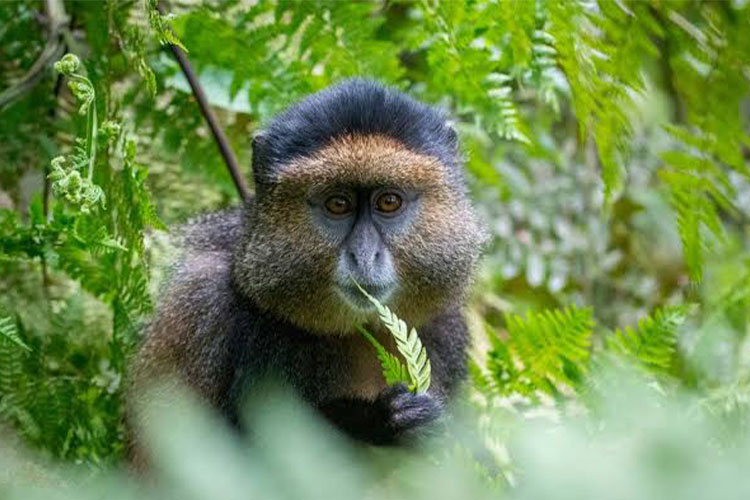
Gishwati Mukura National Park Rwanda’s Forests of the Albertine Rift Gishwati Mukura National Park lies in western Rwanda, between the
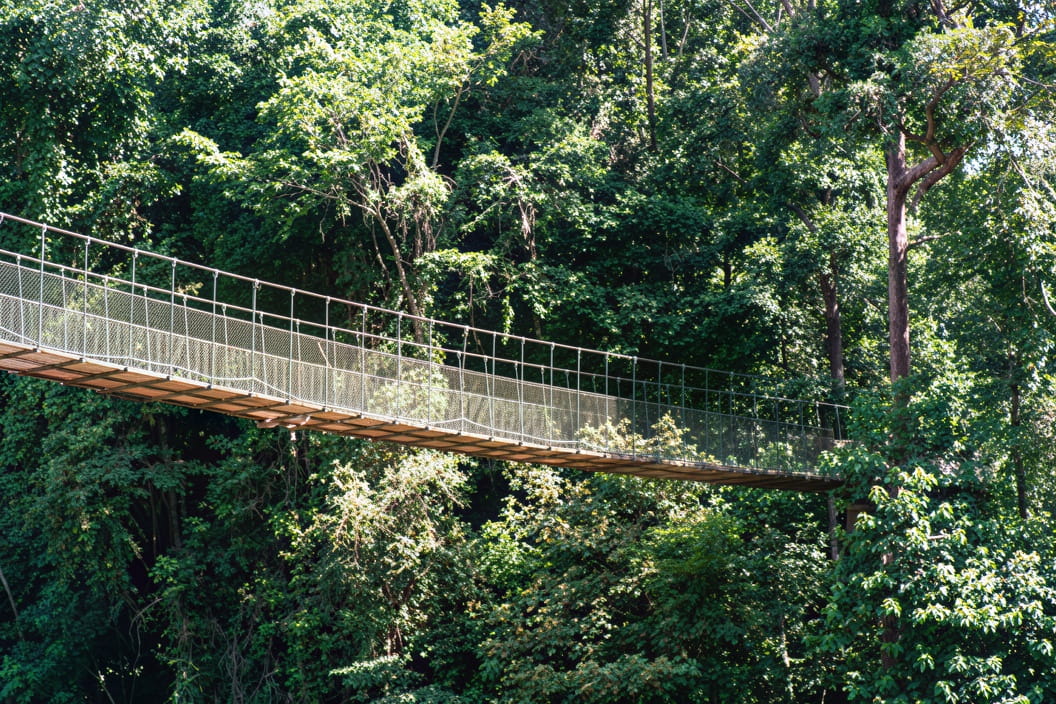
Nyungwe National Park Nyungwe National Park is one of Rwanda’s most distinctive natural destinations, covering a vast stretch of ancient

Volcanoes National Park Volcanoes National Park sits in the far northwest of Rwanda, within the dramatic Virunga mountain range. The
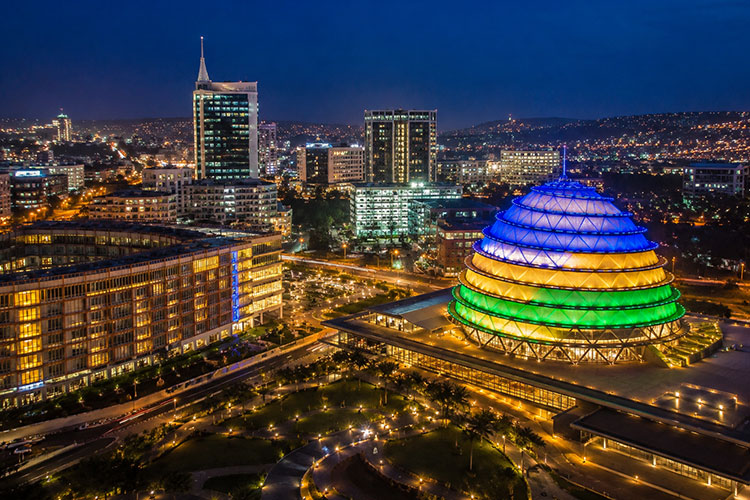
Discover Kigali, Rwanda’s Capital in the Land of a Thousand Hills Kigali is the capital and main gateway to Rwanda,