
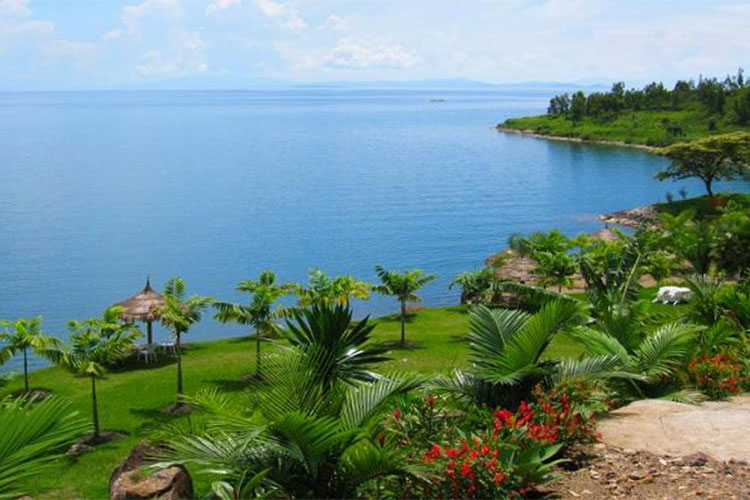
Lake Kivu
Lake Kivu Rwanda’s Scenic Lakeside Escape Lake Kivu offers a slower and more relaxed side of Rwanda, with blue waters

Volcanoes National Park sits in the far northwest of Rwanda, within the dramatic Virunga mountain range. The park is known around the world for its mountain gorillas, but the experience goes well beyond gorilla trekking. Steep volcanic slopes, bamboo forests, open mountain landscapes and cool highland conditions give the area a completely different character from Rwanda’s eastern savannahs.
The park protects the Rwandan side of a chain of volcanoes shared with Uganda and the Democratic Republic of Congo. Five of the range’s major volcanoes rise in or along the park area, creating a striking backdrop around Musanze and the surrounding countryside. Their slopes support different vegetation zones, from bamboo and montane forest to higher altitude vegetation.
For travellers, Volcanoes National Park brings together wildlife, hiking, forests and culture in one destination. You can spend a morning trekking for mountain gorillas, follow golden monkeys through bamboo forest, climb one of the volcanoes, visit the area connected with Dian Fossey or spend time learning more about the communities around the park.
Mountain gorillas are the main attraction in Volcanoes National Park. Several habituated gorilla families are available for trekking, giving visitors the opportunity to enter the forest and spend time observing these animals in their natural environment.
The park is also one of Rwanda’s main destinations for golden monkey tracking. These endangered primates are strongly associated with the bamboo forests of the Virunga region and are often active, moving through the vegetation in groups.
Other wildlife includes forest elephants, buffaloes, bushbuck, duikers, forest hogs and several smaller mammals. Sightings of many of these animals are less predictable because of the dense vegetation and mountainous terrain.
The park is also home to a variety of forest and high altitude bird species, making it worthwhile for visitors who want to combine primate experiences with bird watching.
Mountain gorillas are the defining attraction of Volcanoes National Park. Gorilla trekking takes visitors into the forest to search for a habituated family, with the exact location changing from day to day as the gorillas move through their habitat.
The trek can involve steep climbs and uneven forest trails. Once the family is located, travellers have an opportunity to watch the gorillas as they feed, rest, move and interact with one another.
The volcanic mountains are an important part of the landscape around the park. Karisimbi, Bisoke, Muhabura, Gahinga and Sabyinyo rise above the surrounding countryside and create some of Rwanda’s most recognisable mountain scenery.
Each mountain offers a different experience, from challenging multi hour hikes to shorter excursions through the lower slopes and surrounding forests.
Mount Bisoke is known for its crater lake near the summit. The mountain rises to more than 3,600 metres and provides a challenging hiking experience through changing vegetation.
The climb is steep in places, but the crater lake and views across the Virunga landscape make the effort worthwhile for travellers looking for a mountain adventure.
Mount Karisimbi is the highest of the Virunga volcanoes in Rwanda, rising to more than 4,500 metres. The mountain is named after the Kinyarwanda word associated with snow, reflecting the cloud and mist often found around its summit.
The climb is considerably more demanding than some of the shorter volcano hikes and is suited to experienced and physically prepared hikers.
Mount Muhabura stands along the Rwanda and Uganda border and rises to more than 4,100 metres. Its slopes provide impressive views across the Virunga range and the surrounding countryside.
The climb is strenuous and usually requires a full day, making it a strong option for travellers who want to combine a Rwanda safari with a serious hiking experience.
Mount Gahinga is one of the smaller Virunga volcanoes and is known for its bamboo forests and high altitude landscapes. Its slopes provide a good introduction to the volcanic environment without the more demanding ascent of the higher peaks.
Mount Sabyinyo has a distinctive jagged summit and deep ridges that separate the mountain from neighbouring peaks. Its slopes cross the borders of Rwanda, Uganda and the Democratic Republic of Congo.
The climb is more challenging than Mount Gahinga and requires good physical preparation, but the mountain offers a memorable experience for adventurous travellers.
The Dian Fossey Memorial and Karisoke research area are closely connected with the history of mountain gorilla conservation in the Virunga region. Dian Fossey devoted many years to studying and protecting gorillas in the area.
The hike to the memorial provides an opportunity to learn more about her work, the history of gorilla research and the conservation efforts surrounding the species.
Gorilla trekking is the main experience in Volcanoes National Park. The day begins with a briefing before you enter the forest with trained guides and trackers.
The trek can range from a relatively short walk to several hours of demanding hiking, depending on where the gorilla family is located. Once the group is found, visitors spend the designated time observing the gorillas before returning through the forest.
Golden monkey tracking offers a different primate experience from gorilla trekking. The monkeys are often active and move quickly through bamboo and forest vegetation, so following them can involve plenty of walking and observation.
The activity is a good choice for travellers who want to experience another endangered primate while exploring the lower forest zones of the Virunga mountains.
Travellers can climb several of the volcanoes surrounding Volcanoes National Park. Mount Bisoke, Mount Muhabura, Mount Gahinga and Mount Sabyinyo offer different levels of difficulty and scenery.
Hiking allows you to experience the park without focusing entirely on wildlife, with changing vegetation, mountain views and high altitude landscapes becoming part of the journey.
The hike to the Dian Fossey Memorial provides a combination of mountain walking and conservation history. The trail passes through forest towards the site associated with Fossey and the early work of the Karisoke Research Centre.
It is particularly meaningful for travellers interested in mountain gorillas, wildlife conservation and the history behind Rwanda’s gorilla tourism.
Bird watching can be combined with forest walks, hiking and other activities around Volcanoes National Park. The combination of bamboo, montane forest and higher altitude vegetation supports a variety of bird species.
Early morning walks are particularly suitable for travellers who want to spend more time searching for birds and listening for calls within the forest.
Nature walks offer a less demanding way to explore the area around the park. Guided walks can take visitors through forests, bamboo areas and surrounding landscapes while introducing them to local plants, birds and smaller wildlife.
These walks are useful for travellers who want time in nature without committing to a full gorilla trek or volcano climb.
The communities around Volcanoes National Park form an important part of the visitor experience. Cultural activities can include local music and dance, traditional crafts, food and stories about life around the mountains.
Community visits can also provide more context about the relationship between people, the forest and the tourism activities that take place in the area.
The Batwa have a long history with the forests of the Virunga region. Cultural experiences led by Batwa community members can introduce visitors to traditional forest knowledge, history, hunting practices and ways of life.
These experiences provide a different perspective on the landscape and the communities connected to it.
Volcanoes National Park can be visited throughout the year, but the drier periods are generally preferred for gorilla trekking and mountain hiking because trails tend to be easier to navigate.
June to September is one of the main dry periods, while December to February also tends to bring more favourable conditions. These months are popular for travellers planning gorilla trekking, golden monkey tracking and volcano hikes.
The wetter periods can still be rewarding. The forests become greener, and the mountain landscape can look particularly dramatic under mist and cloud. Travellers visiting during wetter months should be prepared for muddy and slippery trails.
Most travellers reach Volcanoes National Park by road from Kigali. The park is around 80 kilometres from the capital, with the journey taking roughly two and a half to three hours depending on traffic and road conditions.
The route passes through Rwanda’s famous rolling hills before reaching Musanze, the main town serving the park area. From Musanze, it is a short drive towards the park headquarters and the main gorilla trekking areas.
Travellers combining Uganda and Rwanda can reach the Volcanoes region through the Uganda Rwanda border. The Cyanika border near Kisoro provides a practical route for travellers coming from southwestern Uganda and continuing towards Musanze.
This makes it possible to combine Volcanoes National Park with Uganda destinations such as Mgahinga, Bwindi and other parts of southwestern Uganda.
Travellers with limited time can fly into Kigali International Airport and continue by road to Musanze and Volcanoes National Park.
Kigali is the main international gateway, so most travellers arriving from outside Rwanda begin their journey there.
Lake Kivu Rwanda’s Scenic Lakeside Escape Lake Kivu offers a slower and more relaxed side of Rwanda, with blue waters
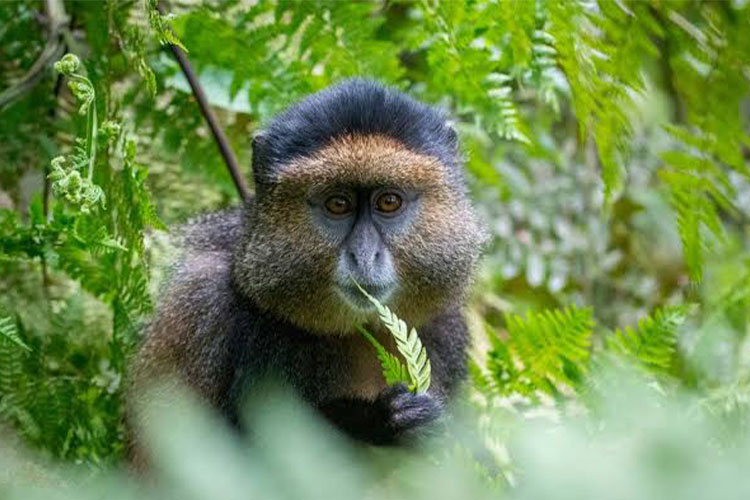
Gishwati Mukura National Park Rwanda’s Forests of the Albertine Rift Gishwati Mukura National Park lies in western Rwanda, between the
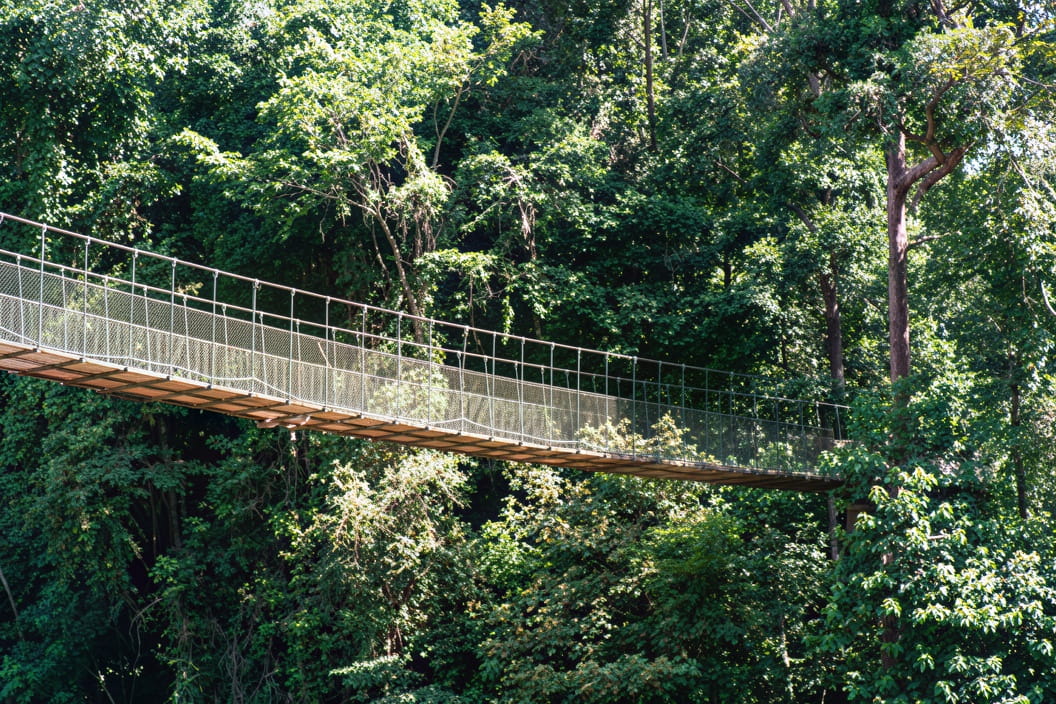
Nyungwe National Park Nyungwe National Park is one of Rwanda’s most distinctive natural destinations, covering a vast stretch of ancient
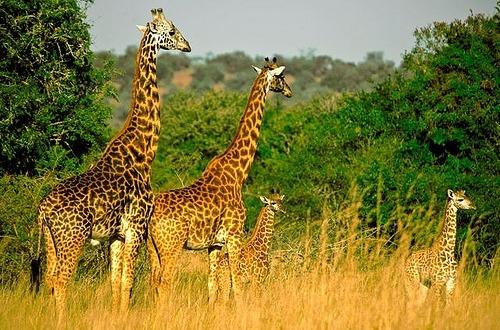
Akagera National Park Akagera National Park offers a completely different experience from the volcanic mountains and rainforest destinations of northern
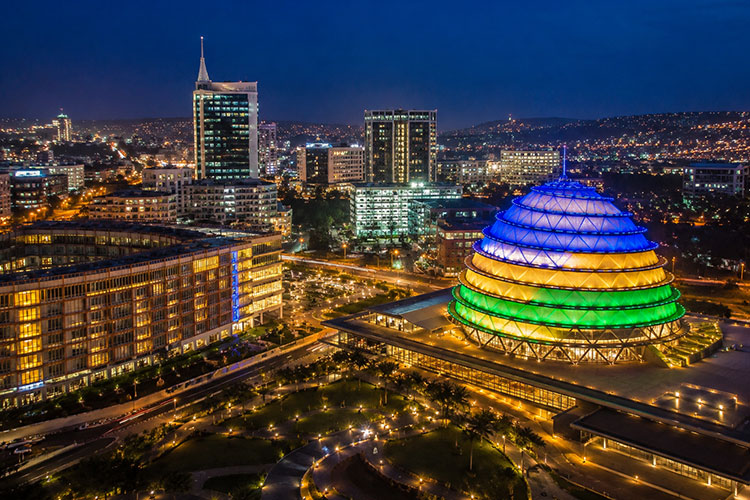
Discover Kigali, Rwanda’s Capital in the Land of a Thousand Hills Kigali is the capital and main gateway to Rwanda,