
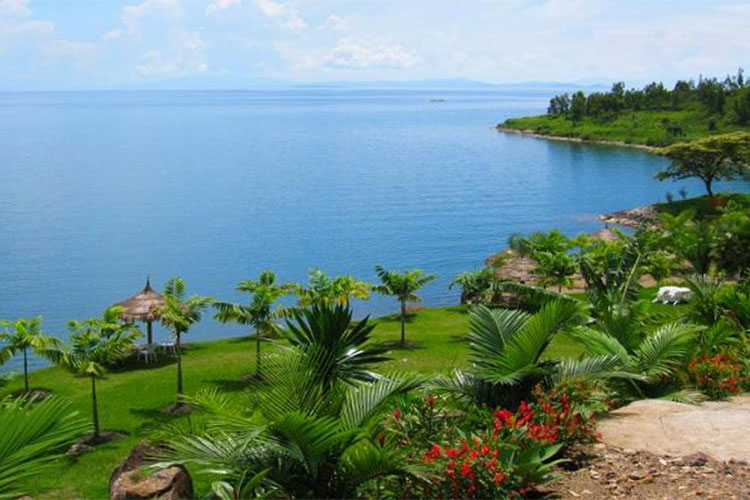
Lake Kivu
Lake Kivu Rwanda’s Scenic Lakeside Escape Lake Kivu offers a slower and more relaxed side of Rwanda, with blue waters
Nyungwe National Park is one of Rwanda’s most distinctive natural destinations, covering a vast stretch of ancient montane rainforest in the southwest of the country. The forest rises and falls across steep ridges and deep valleys, with mist often hanging above the trees and the landscape changing between dense forest, bamboo covered slopes, wetlands and open highland areas.
The park is best known for chimpanzee trekking, but its appeal extends far beyond one primate experience. Nyungwe is home to a remarkable variety of primates, forest birds, butterflies and plant species, making it a destination where simply being in the forest becomes part of the experience.
Walking through Nyungwe feels very different from exploring Rwanda’s savannahs or volcanic mountains. The forest is dense, cool and full of movement, with birds calling from the canopy, monkeys moving through the trees and narrow trails leading deeper into the landscape. For travellers who enjoy wildlife, hiking and nature, Nyungwe offers plenty to explore.
Nyungwe National Park is located in southwestern Rwanda and forms one of the largest remaining areas of montane rainforest in the region. The forest stretches across a mountainous landscape and contains a mixture of rainforest, bamboo, grassland and wetland habitats.
The forest is also an important water catchment for Rwanda, with several rivers beginning within or around Nyungwe before flowing towards the Congo and Nile drainage systems. Its high altitude, varied vegetation and location within the Albertine Rift contribute to the exceptional biodiversity found across the park.
Nyungwe supports a large population of primates, including chimpanzees, colobus monkeys, L’Hoest’s monkeys, blue monkeys and other forest species. The forest also supports hundreds of bird species and a large number of butterflies, making it one of Rwanda’s strongest destinations for wildlife and nature experiences.
Chimpanzees are the main wildlife attraction for many visitors to Nyungwe. The park has habituated chimpanzee groups that can be followed on guided trekking experiences, giving travellers an opportunity to observe them moving through their forest habitat.
Nyungwe is also home to numerous other primates. Black and white colobus monkeys are particularly notable, sometimes moving through the forest in large groups. Blue monkeys, L’Hoest’s monkeys, red tailed monkeys, grey cheeked mangabeys and other species can also be encountered.
The forest supports a variety of mammals beyond primates, although many are difficult to see because of the thick vegetation. Bushbucks, duikers, forest elephants and other forest wildlife live within the park.
Birdlife is another major attraction. Nyungwe’s forests provide habitat for numerous Albertine Rift species, making the park especially appealing to travellers with an interest in specialist forest birding.
Nyungwe Rainforest
The forest itself is the main attraction. Ancient trees, thick undergrowth, vines, mosses and changing vegetation create an immersive environment for trekking and nature walks.
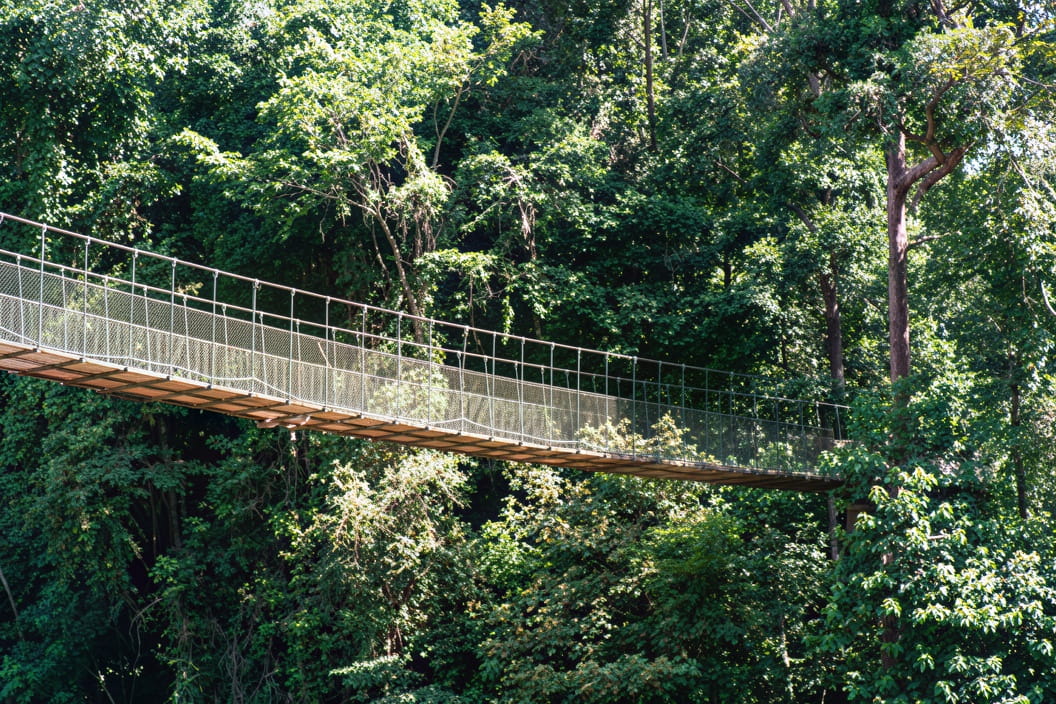
Canopy Walkway
The canopy walkway takes visitors above the forest floor and across a suspension bridge high within the trees. The elevated position provides views across the forest canopy, surrounding hills and the wildlife moving below and among the treetops.
Waterfalls
Nyungwe has several waterfalls reached through forest trails. The walks to the waterfalls combine hiking with opportunities to experience the forest at a slower pace.
Kamiranzovu Wetland
Kamiranzovu is one of the largest wetlands within the forest and offers a different landscape from the surrounding dense rainforest. The area provides habitat for plants, birds and other wildlife while adding another environment to the Nyungwe experience.
Tea Plantations
Tea plantations around Nyungwe create a striking contrast with the dark green forest. Walking through the surrounding tea growing areas can be included alongside forest activities and offers an opportunity to see another important part of the local landscape.
Mount Bigugu
Mount Bigugu is the highest peak within Nyungwe and offers a challenging hiking experience. The trail takes you through changing vegetation towards higher elevations, where clear weather can reveal impressive views across the surrounding landscape.
Chimpanzee Trekking
Chimpanzee trekking begins early in the morning as visitors enter the forest with guides and trackers in search of habituated chimpanzee groups. The experience involves following forest trails and listening for calls and movement in the canopy.
Chimpanzees can move quickly through the trees and may travel considerable distances during the morning. The search therefore becomes part of the experience, with every sighting providing a chance to observe their behaviour and interactions.
Colobus Monkey Tracking
Nyungwe is well known for its black and white colobus monkeys, which can sometimes be encountered moving through the canopy in large groups. Tracking them gives visitors another opportunity to experience the park’s rich primate life.
Canopy Walk
The canopy walkway offers one of the most unusual ways to experience Nyungwe. Suspended high above the forest floor, the walkway gives visitors a view into the upper levels of the rainforest that cannot be experienced from the trails below.
The surrounding canopy, distant hills and misty forest create a completely different perspective of the park.
Forest Hiking
Nyungwe has an extensive network of forest trails covering different landscapes and levels of difficulty. Some trails lead to waterfalls, wetlands and viewpoints, while others take hikers deeper into the forest.
The hiking experience is about more than reaching a particular point. The changing vegetation, bird calls, butterflies, streams and forest atmosphere are all part of the journey.
Bird Watching
Bird watching is one of Nyungwe’s strongest attractions. The forest provides habitat for many species, including birds that are particularly associated with the Albertine Rift.
Early mornings are especially useful for birding, when forest activity is high and birds are easier to locate by their calls and movement.
Waterfall Hikes
Several trails lead through Nyungwe towards waterfalls, allowing visitors to combine forest hiking with time around streams and cascading water.
These walks range from easier routes to more demanding trails, giving visitors different options depending on their available time and fitness.
Butterfly Watching
Nyungwe’s forest environment supports a large number of butterfly species. Their colours and movement add to the experience of walking through the forest, particularly along trails where vegetation and sunlight create good viewing conditions.
Nature Walks
Nature walks provide a slower alternative to chimpanzee trekking. Guides can help visitors identify trees, plants, birds, insects and signs of wildlife while explaining the relationships between the different parts of the forest ecosystem.
Nyungwe can be visited throughout the year, but the drier periods are generally more convenient for trekking and hiking because forest trails can become muddy and slippery after rainfall.
June to September is usually one of the more favourable periods for outdoor activities, while December to February also tends to bring relatively drier conditions.
The wetter months can still be an excellent time to experience Nyungwe. The forest becomes especially lush, waterfalls are fuller and bird and butterfly activity can be rewarding. Visitors travelling during these periods should simply be prepared for rain and wet trails.
From Kigali
Nyungwe is located in southwestern Rwanda, and the journey from Kigali takes several hours by road. The route passes through Rwanda’s rolling hills and countryside before reaching the forest, making the drive itself an enjoyable part of the journey.
Travellers heading towards Nyungwe can pass through destinations such as Muhanga and Huye before continuing towards the forest and the towns around its eastern and western approaches.
From Lake Kivu
Nyungwe can also be combined with Lake Kivu, allowing travellers to continue south from the lakeside areas towards the forest.
This route works particularly well for visitors who want to combine Rwanda’s lakes, forests and mountain landscapes in one journey.
By Air
Travellers with limited time can arrange domestic or charter flights within Rwanda and continue by road to Nyungwe. Since the park is located deep in the southwest, the final part of the journey will still involve road transport.
Established in 1952, Queen Elizabeth National Park covers approximately 1,978 square kilometres and is one of Uganda’s most important protected areas.
Its location in the Albertine Rift gives the park an impressive variety of habitats. Open grasslands provide excellent conditions for wildlife viewing, while wetlands, forests, lakes and woodland support a much wider range of species.
The park is particularly well known for its large concentration of Uganda kob, tree-climbing lions in the Ishasha sector and the wildlife that gathers around the Kazinga Channel.
Queen Elizabeth is also strategically located for travellers exploring western Uganda. It can easily form part of a longer journey linking destinations such as Kibale, Bwindi and Lake Mburo.
The Kazinga Channel connects Lake Edward and Lake George and is one of the highlights of any visit to Queen Elizabeth.
The channel attracts large numbers of hippos, buffaloes, elephants and water birds, making a boat cruise one of the best ways to experience the park from a different perspective.
The open grasslands of the Kasenyi Plains are among the best areas for traditional game drives in the park.
The open terrain makes wildlife easier to spot, with Uganda kob, buffaloes, elephants, lions and other animals commonly associated with the area.
Located in the southern part of the park, Ishasha is known for its beautiful scenery and the famous lions that are often seen resting in the branches of large fig trees.
The sector also offers a quieter safari experience and is particularly interesting for travellers combining Queen Elizabeth with Bwindi.
Kyambura Gorge cuts through the landscape south of the park and contains a forested river valley that is home to chimpanzees and other primates.
Descending into the gorge provides a completely different experience from a savannah game drive.
Maramagambo is a large natural forest within the park and offers opportunities to experience a different side of Queen Elizabeth.
The forest is home to primates, birds and other wildlife, while trails through the area lead to natural features and scenic viewpoints.
The crater lakes around Queen Elizabeth add some of the most striking scenery to the area. Many are surrounded by green hills and provide excellent viewpoints over the surrounding countryside.
A drive through the crater lake region is a good addition to a wildlife focused itinerary.
Lake Katwe is known for its traditional salt extraction. Visiting the salt pans provides an opportunity to see a long established local industry and learn how salt production supports communities in the area.
Queen Elizabeth National Park supports a wide variety of wildlife across its grasslands, wetlands, forests and lake environments.
Visitors can look out for elephants, buffaloes, lions, leopards, hippos, Uganda kob, warthogs, waterbuck, hyenas and several species of antelope.
The park is also one of the places where travellers can search for tree-climbing lions, particularly in the Ishasha sector.
Primates add another dimension to the park, with chimpanzees found in Kyambura Gorge and other forest areas. Several monkey species can also be encountered while exploring the park.
Birdlife is another major attraction, with the combination of wetlands, lakes, forest and savannah creating habitats for a remarkable range of species.
Game drives are one of the best ways to explore the open areas of Queen Elizabeth National Park.
Morning and afternoon drives allow you to explore different sections of the park while looking for wildlife and enjoying the changing scenery. The Kasenyi Plains and Ishasha are particularly popular areas.
A boat cruise along the Kazinga Channel gives you a completely different view of the park.
From the water, you can watch hippos in the shallows, elephants approaching the shoreline and buffaloes resting near the channel, while birds move between the water and surrounding wetlands.
For travellers interested in primates, Kyambura offers an opportunity to explore the forest in search of chimpanzees.
The trek takes you down into the gorge and combines wildlife tracking with an enjoyable forest experience.
Queen Elizabeth also offers a specialised lion tracking experience where visitors can learn more about the behaviour, movements and conservation of the park’s lions.
It is particularly interesting for travellers who want to go beyond simply seeing wildlife and learn more about the animals being observed.
The park’s range of habitats makes it a rewarding destination for bird watchers.
Birding can be incorporated into game drives, boat cruises and forest walks, with opportunities to look for species around lakes, wetlands, grasslands and woodland.
Nature walks offer a slower way of experiencing the park. Walking through forest and natural areas gives you the chance to notice plants, birds and smaller wildlife that might be missed during a vehicle safari.
Explore the crater lake region and enjoy some of the area’s finest scenery. The surrounding viewpoints provide excellent opportunities for photography and a break from the traditional game drive.
The communities around Queen Elizabeth provide opportunities to learn about local traditions, livelihoods and ways of life.
A cultural visit can add another dimension to a safari, especially for travellers interested in understanding the people and communities connected to the area.
The Mweya area offers opportunities to learn more about banded mongooses through specialised tracking experiences.
It is an unusual addition to a conventional safari and allows visitors to observe the behaviour of these social animals more closely.
Queen Elizabeth National Park can be visited throughout the year.
The drier periods are generally popular for wildlife safaris because the tracks are easier to navigate and animals are often easier to spot around water sources.
The wetter seasons bring greener scenery and can be rewarding for bird watching and photography. Rain can make some roads and trails more challenging, but the landscape becomes especially lush.
Your ideal travel period will also depend on what else you want to include in your Uganda itinerary. Travellers combining Queen Elizabeth with Kibale or Bwindi may want to consider the conditions across all the destinations rather than focusing on the park alone.
Queen Elizabeth National Park is accessible by road from Kampala and other major tourism destinations in Uganda.
The journey from Kampala takes you through the western part of the country, with routes passing through areas such as Mbarara and continuing towards the park.
Queen Elizabeth also sits conveniently within the western Uganda safari circuit. It can be reached from Lake Mburo and Fort Portal and can be combined with Kibale, Bwindi and other destinations.
A four wheel drive safari vehicle is recommended, particularly when travelling within the park and during wetter periods.
Visitors who prefer to reduce their road travel can reach the Queen Elizabeth area by domestic or chartered flight from Entebbe or Kajjansi.
Several airstrips serve different parts of the park and surrounding region, including Mweya, Kasese and Ishasha. The most suitable airstrip depends on the section of the park included in your itinerary.
Lake Kivu Rwanda’s Scenic Lakeside Escape Lake Kivu offers a slower and more relaxed side of Rwanda, with blue waters
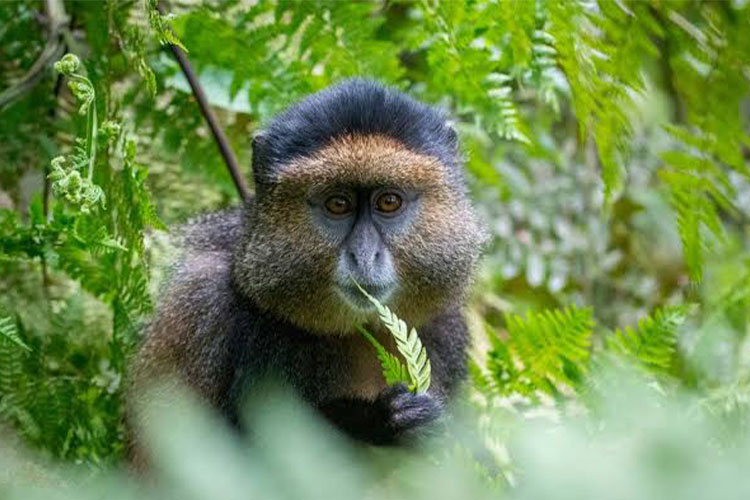
Gishwati Mukura National Park Rwanda’s Forests of the Albertine Rift Gishwati Mukura National Park lies in western Rwanda, between the
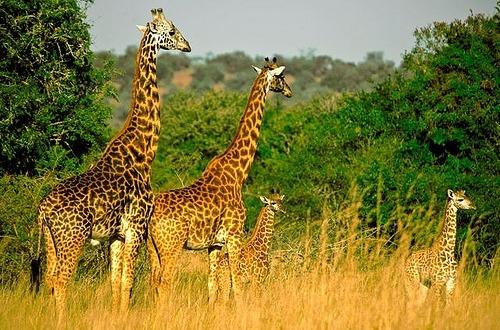
Akagera National Park Akagera National Park offers a completely different experience from the volcanic mountains and rainforest destinations of northern

Volcanoes National Park Volcanoes National Park sits in the far northwest of Rwanda, within the dramatic Virunga mountain range. The
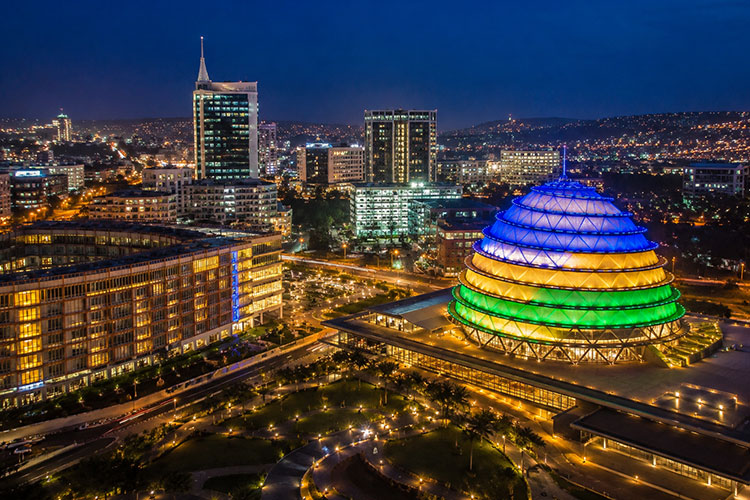
Discover Kigali, Rwanda’s Capital in the Land of a Thousand Hills Kigali is the capital and main gateway to Rwanda,