About Queen Elizabeth National Park
Established in 1952, Queen Elizabeth National Park covers approximately 1,978 square kilometres and is one of Uganda’s most important protected areas.
Its location in the Albertine Rift gives the park an impressive variety of habitats. Open grasslands provide excellent conditions for wildlife viewing, while wetlands, forests, lakes and woodland support a much wider range of species.
The park is particularly well known for its large concentration of Uganda kob, tree-climbing lions in the Ishasha sector and the wildlife that gathers around the Kazinga Channel.
Queen Elizabeth is also strategically located for travellers exploring western Uganda. It can easily form part of a longer journey linking destinations such as Kibale, Bwindi and Lake Mburo.
Attractions in Queen Elizabeth National Park
Kazinga Channel
The Kazinga Channel connects Lake Edward and Lake George and is one of the highlights of any visit to Queen Elizabeth.
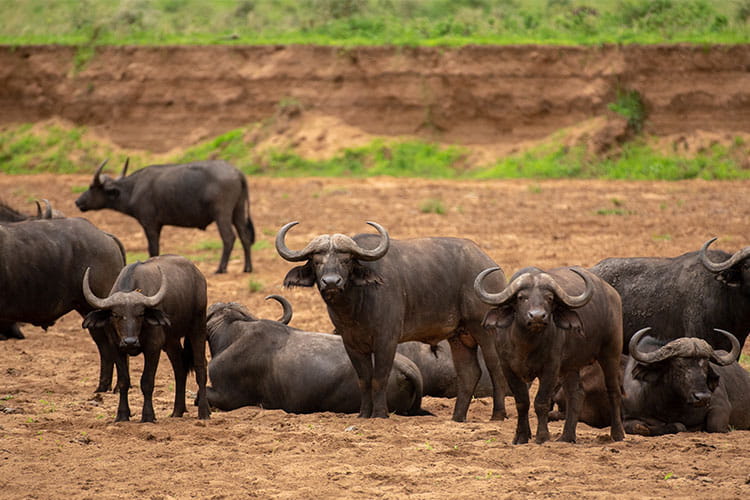
The channel attracts large numbers of hippos, buffaloes, elephants and water birds, making a boat cruise one of the best ways to experience the park from a different perspective.
Kasenyi Plains
The open grasslands of the Kasenyi Plains are among the best areas for traditional game drives in the park.
The open terrain makes wildlife easier to spot, with Uganda kob, buffaloes, elephants, lions and other animals commonly associated with the area.
Ishasha Sector
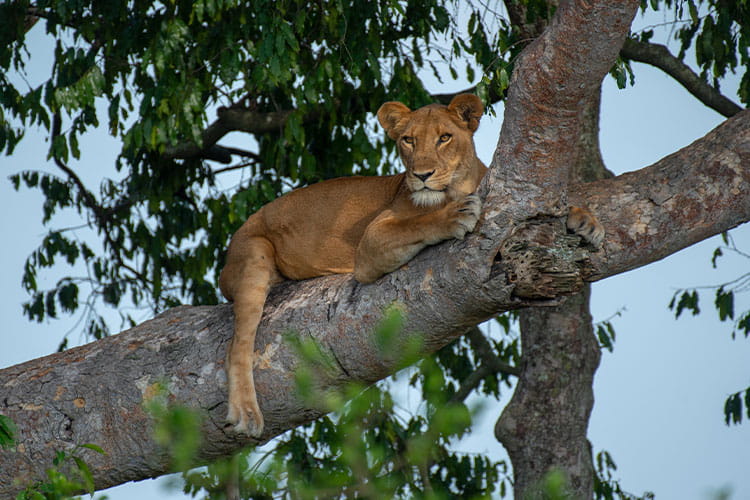
Located in the southern part of the park, Ishasha is known for its beautiful scenery and the famous lions that are often seen resting in the branches of large fig trees.
The sector also offers a quieter safari experience and is particularly interesting for travellers combining Queen Elizabeth with Bwindi.
Kyambura Gorge
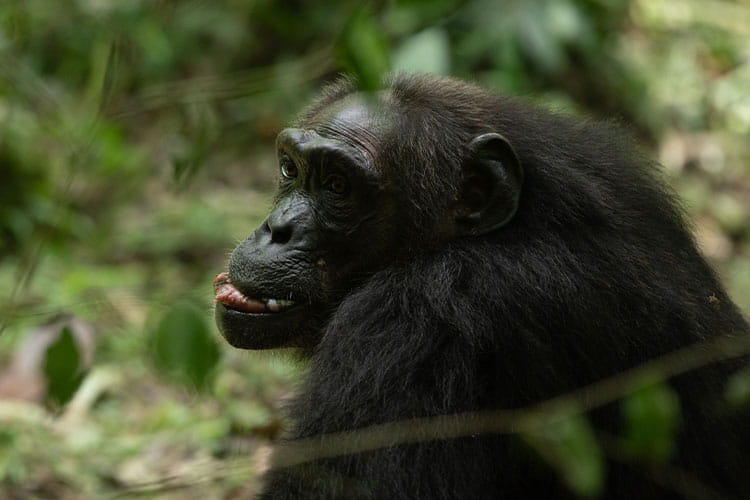
Kyambura Gorge cuts through the landscape south of the park and contains a forested river valley that is home to chimpanzees and other primates.
Descending into the gorge provides a completely different experience from a savannah game drive.
Maramagambo Forest
Maramagambo is a large natural forest within the park and offers opportunities to experience a different side of Queen Elizabeth.
The forest is home to primates, birds and other wildlife, while trails through the area lead to natural features and scenic viewpoints.
Crater Lakes
The crater lakes around Queen Elizabeth add some of the most striking scenery to the area. Many are surrounded by green hills and provide excellent viewpoints over the surrounding countryside.
A drive through the crater lake region is a good addition to a wildlife focused itinerary.
Lake Katwe
Lake Katwe is known for its traditional salt extraction. Visiting the salt pans provides an opportunity to see a long established local industry and learn how salt production supports communities in the area.
Wildlife in Queen Elizabeth National Park
Queen Elizabeth National Park supports a wide variety of wildlife across its grasslands, wetlands, forests and lake environments.
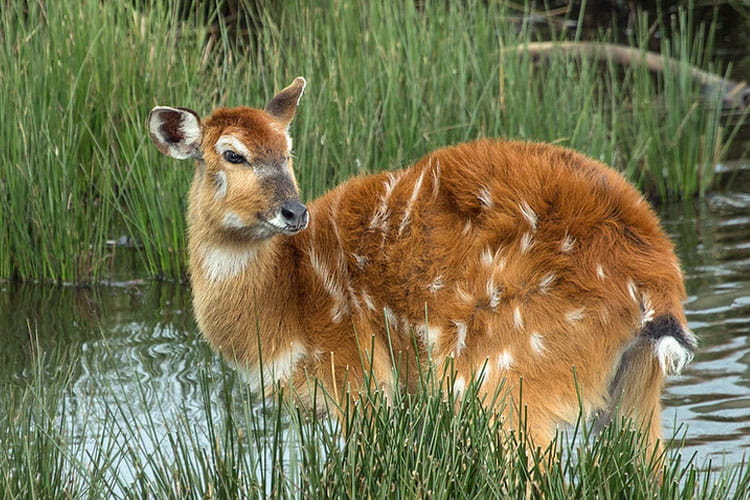
Visitors can look out for elephants, buffaloes, lions, leopards, hippos, Uganda kob, warthogs, waterbuck, hyenas and several species of antelope.
The park is also one of the places where travellers can search for tree-climbing lions, particularly in the Ishasha sector.
Primates add another dimension to the park, with chimpanzees found in Kyambura Gorge and other forest areas. Several monkey species can also be encountered while exploring the park.
Birdlife is another major attraction, with the combination of wetlands, lakes, forest and savannah creating habitats for a remarkable range of species.
Things to Do in Queen Elizabeth National Park
Game Drives
Game drives are one of the best ways to explore the open areas of Queen Elizabeth National Park.
Morning and afternoon drives allow you to explore different sections of the park while looking for wildlife and enjoying the changing scenery. The Kasenyi Plains and Ishasha are particularly popular areas.
Kazinga Channel Boat Cruise
A boat cruise along the Kazinga Channel gives you a completely different view of the park.
From the water, you can watch hippos in the shallows, elephants approaching the shoreline and buffaloes resting near the channel, while birds move between the water and surrounding wetlands.
Chimpanzee Tracking in Kyambura Gorge
For travellers interested in primates, Kyambura offers an opportunity to explore the forest in search of chimpanzees.
The trek takes you down into the gorge and combines wildlife tracking with an enjoyable forest experience.
Lion Tracking
Queen Elizabeth also offers a specialised lion tracking experience where visitors can learn more about the behaviour, movements and conservation of the park’s lions.
It is particularly interesting for travellers who want to go beyond simply seeing wildlife and learn more about the animals being observed.
Bird Watching
The park’s range of habitats makes it a rewarding destination for bird watchers.
Birding can be incorporated into game drives, boat cruises and forest walks, with opportunities to look for species around lakes, wetlands, grasslands and woodland.
Nature Walks
Nature walks offer a slower way of experiencing the park. Walking through forest and natural areas gives you the chance to notice plants, birds and smaller wildlife that might be missed during a vehicle safari.
Crater Lake Exploration
Explore the crater lake region and enjoy some of the area’s finest scenery. The surrounding viewpoints provide excellent opportunities for photography and a break from the traditional game drive.
Cultural Experiences
The communities around Queen Elizabeth provide opportunities to learn about local traditions, livelihoods and ways of life.
A cultural visit can add another dimension to a safari, especially for travellers interested in understanding the people and communities connected to the area.
Mongoose Tracking
The Mweya area offers opportunities to learn more about banded mongooses through specialised tracking experiences.
It is an unusual addition to a conventional safari and allows visitors to observe the behaviour of these social animals more closely.
Best Time to Visit Queen Elizabeth National Park
Queen Elizabeth National Park can be visited throughout the year.
The drier periods are generally popular for wildlife safaris because the tracks are easier to navigate and animals are often easier to spot around water sources.
The wetter seasons bring greener scenery and can be rewarding for bird watching and photography. Rain can make some roads and trails more challenging, but the landscape becomes especially lush.
Your ideal travel period will also depend on what else you want to include in your Uganda itinerary. Travellers combining Queen Elizabeth with Kibale or Bwindi may want to consider the conditions across all the destinations rather than focusing on the park alone.
How to Get to Queen Elizabeth National Park
By Road
Queen Elizabeth National Park is accessible by road from Kampala and other major tourism destinations in Uganda.
The journey from Kampala takes you through the western part of the country, with routes passing through areas such as Mbarara and continuing towards the park.
Queen Elizabeth also sits conveniently within the western Uganda safari circuit. It can be reached from Lake Mburo and Fort Portal and can be combined with Kibale, Bwindi and other destinations.
A four wheel drive safari vehicle is recommended, particularly when travelling within the park and during wetter periods.
By Air
Visitors who prefer to reduce their road travel can reach the Queen Elizabeth area by domestic or chartered flight from Entebbe or Kajjansi.
Several airstrips serve different parts of the park and surrounding region, including Mweya, Kasese and Ishasha. The most suitable airstrip depends on the section of the park included in your itinerary.