
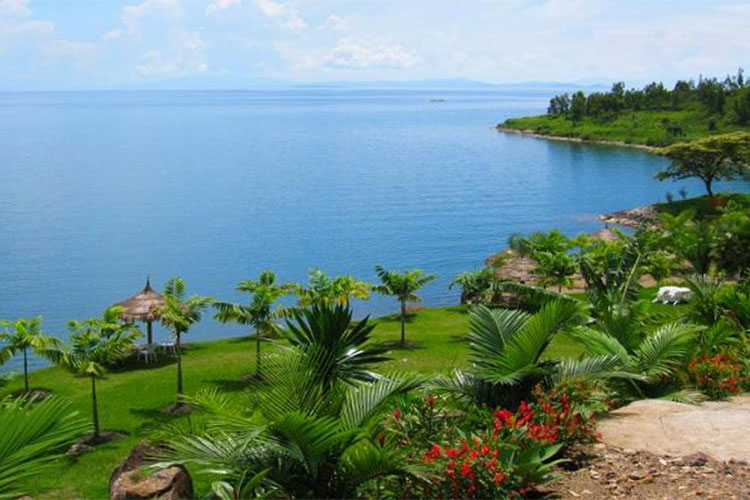
Lake Kivu
Lake Kivu Rwanda’s Scenic Lakeside Escape Lake Kivu offers a slower and more relaxed side of Rwanda, with blue waters
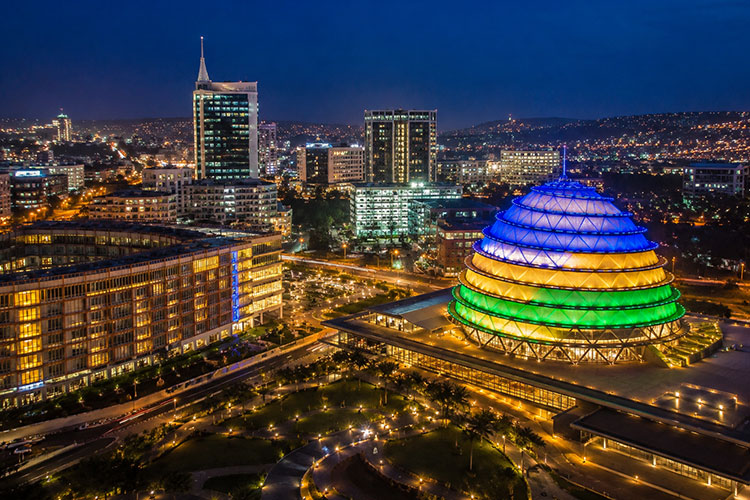
Kigali is the capital and main gateway to Rwanda, spread across a series of green hills and valleys that give the city its distinctive character. Known for its clean streets, organised neighbourhoods and growing cultural scene, Kigali offers a different experience from Rwanda’s national parks and mountain destinations.
The city brings together important historical sites, local markets, museums, galleries, restaurants, cafés and neighbourhoods where travellers can experience everyday life in Rwanda. Its hills also create viewpoints across the city, with different areas offering a mix of modern buildings, residential communities and green spaces.
Kigali is often the starting point for a Rwanda safari, but it is worth more than a quick stop before heading into the countryside. Spending time in the city gives travellers an opportunity to understand Rwanda’s history, experience its culture and see how the country’s capital has developed.
Kigali has an important place in Rwanda’s history and today serves as the country’s political, business and cultural centre. The city has grown considerably over the years, with new developments sitting alongside older neighbourhoods and established markets.
One of the most important parts of understanding Kigali is learning about the 1994 Genocide against the Tutsi and its impact on Rwanda. Sites such as the Kigali Genocide Memorial provide an important historical perspective and are an essential part of many visitors’ first experience of the country.
Away from the major historical sites, Kigali’s culture can also be experienced through local food, traditional crafts, contemporary art, music, markets and community life.
The Kigali Genocide Memorial is one of the city’s most important historical sites. It provides visitors with an opportunity to learn about the 1994 Genocide against the Tutsi, remember those who lost their lives and understand the events that shaped modern Rwanda.
A visit is often a reflective part of a Kigali itinerary and provides important context before travelling further through the country.
Kimironko Market offers a more everyday view of Kigali. The market is filled with fresh produce, fabrics, clothing, crafts and other products used by local residents.
Walking through the market gives travellers an opportunity to see the pace of daily life and interact with local traders while discovering some of the colours and flavours of the city.
Kigali City Tower is one of the city’s recognisable modern landmarks and stands in the central business area. The surrounding district provides a contrast between Kigali’s newer commercial developments and older parts of the city.
The area is also surrounded by restaurants, shops and other city attractions.
Inema Arts Center is part of Kigali’s contemporary creative scene and provides a space for artists, exhibitions and cultural activities.
The centre gives visitors an opportunity to see modern Rwandan art and learn more about the country’s growing creative community.
Niyo Arts Gallery showcases works by Rwandan artists and provides another perspective on the country’s contemporary culture. Paintings, sculptures and other artistic works offer travellers a chance to explore Rwanda through its artists.
The gallery can be included in a broader city tour focused on Kigali’s creative spaces.
Nyamirambo is one of Kigali’s best known neighbourhoods and offers a lively introduction to local life. Its streets, small businesses, restaurants, shops and community atmosphere provide a very different experience from the formal city centre.
Walking tours in the area can introduce visitors to local food, culture, stories and everyday life.
Mount Kigali rises above parts of the city and provides elevated views over Kigali and the surrounding hills. The area is also associated with outdoor activities and offers a change of pace from the city’s busier streets.
Kigali’s location across several hills means that viewpoints are part of the city’s character. From higher neighbourhoods, visitors can look across rooftops, valleys, roads and green hills stretching into the distance.
These views are especially attractive in the early morning and late afternoon.
A city tour is one of the best ways to get a first impression of Kigali. A typical experience can combine historical sites, markets, neighbourhoods, cultural attractions and viewpoints while showing how different parts of the city fit together.
The tour can be adjusted according to how much time you have and whether your interests are more focused on history, culture, food, art or everyday city life.
Set aside time for the Kigali Genocide Memorial to learn about Rwanda’s recent history and the 1994 Genocide against the Tutsi.
The visit provides historical context that can help travellers understand Rwanda beyond its landscapes and wildlife.
Kigali’s markets provide an opportunity to experience the city through its food, clothing, crafts and everyday trade. Kimironko Market is particularly popular with visitors looking for local products and a lively market atmosphere.
Markets are also a good place to experience the pace of everyday life away from the major tourist attractions.
Spend time visiting galleries and creative spaces such as Inema Arts Center and Niyo Arts Gallery. Kigali’s art scene provides an opportunity to see paintings, sculpture, photography and other contemporary work by Rwandan artists.
Art experiences work particularly well for travellers who want to understand how Rwanda’s culture is being expressed today.
Explore Nyamirambo through a guided neighbourhood experience, local food, markets and community stories. The area offers a closer look at everyday Kigali and the way people live, work and socialise.
It is a useful contrast to the city’s commercial districts and more formal attractions.
Food is another way to experience Kigali. Restaurants and local eateries offer Rwandan dishes alongside regional and international cuisine, giving travellers plenty of opportunities to explore different flavours.
A food focused experience can also include visits to local markets where ingredients used in Rwandan cooking are sold.
Kigali has a growing café and restaurant scene, with options ranging from local dishes to international food. The city’s hills also provide restaurants and cafés with views across different parts of the capital.
This makes the city easy to explore at a slower pace between organised activities.
Kigali has several places where visitors can buy handmade baskets, fabrics, artwork, jewellery and other locally produced items.
Craft shopping can be combined with a market visit or gallery tour and provides an opportunity to take a piece of Rwanda home.
Kigali takes on a different atmosphere after sunset, with restaurants, cafés and entertainment venues becoming more active. Travellers staying overnight can enjoy an evening meal or spend time exploring parts of the city after the day’s sightseeing.
Kigali can be visited throughout the year. The city’s elevation gives it a relatively moderate climate, although rainfall varies across the seasons.
The drier periods are generally convenient for walking tours, sightseeing and outdoor activities because there is less rain to interrupt plans. June to September is one of the main dry periods, while another relatively dry period occurs around December to February.
The wetter seasons can still be enjoyable, especially for travellers who appreciate green scenery and do not mind occasional rain. Since Kigali is often combined with destinations such as Akagera, Volcanoes National Park and Nyungwe, your travel dates may also depend on the rest of your Rwanda itinerary.
Kigali International Airport is Rwanda’s main international gateway and is located close to the city. International travellers arriving by air can reach central Kigali relatively quickly by road.
The airport is also a convenient starting point for travellers continuing to other parts of Rwanda after spending time in the capital.
Kigali can be reached from Uganda through several border crossings. Travellers coming from southwestern Uganda can enter Rwanda through crossings such as Katuna or Cyanika, depending on their route and destination.
This makes Kigali particularly easy to include in a combined Uganda and Rwanda itinerary.
Kigali is connected by road to neighbouring countries, making it possible to include the city within a wider East African journey.
Travellers combining Rwanda with Uganda, Kenya or Tanzania can plan Kigali as an arrival point, departure point or stop between other destinations.
Lake Kivu Rwanda’s Scenic Lakeside Escape Lake Kivu offers a slower and more relaxed side of Rwanda, with blue waters

Gishwati Mukura National Park Rwanda’s Forests of the Albertine Rift Gishwati Mukura National Park lies in western Rwanda, between the
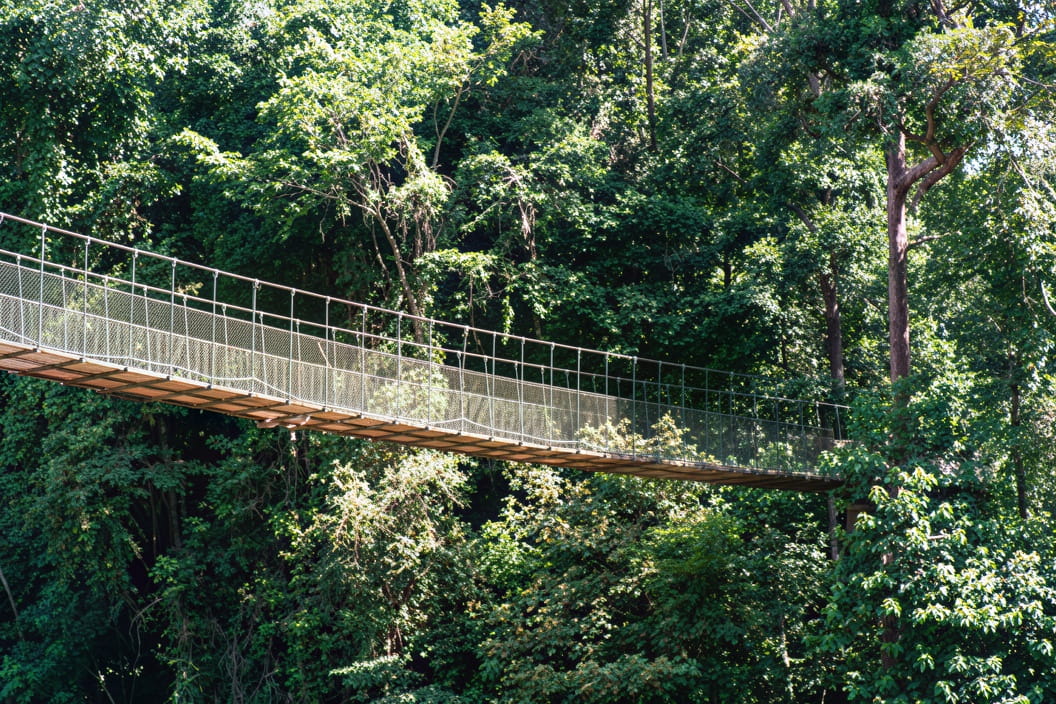
Nyungwe National Park Nyungwe National Park is one of Rwanda’s most distinctive natural destinations, covering a vast stretch of ancient

Akagera National Park Akagera National Park offers a completely different experience from the volcanic mountains and rainforest destinations of northern

Volcanoes National Park Volcanoes National Park sits in the far northwest of Rwanda, within the dramatic Virunga mountain range. The