About Kidepo Valley National Park
Kidepo Valley National Park lies in the far northeast of Uganda, where open savannah, rugged mountains and wide valleys create one of the country’s most distinctive safari landscapes. The park is known for its remote setting, dramatic scenery and strong sense of wilderness, with wildlife encounters often taking place far from the busier safari routes.
The landscape changes from the dry plains of Kidepo Valley to the more permanent water sources and grasslands of the Narus Valley. Together with the surrounding mountains, these areas support a rich variety of wildlife and make Kidepo particularly rewarding for travellers looking for a quieter and more rugged safari experience.
Attractions in Kidepo Valley National Park
Kidepo Valley
The broad Kidepo Valley is one of the park’s most striking landscapes, especially during the dry season when golden grasslands stretch towards distant mountains. Game drives through the valley offer opportunities to see wildlife in an open and remote setting.
Narus Valley
Narus Valley is an important wildlife area because water remains available for much of the year. It attracts large concentrations of animals, making it one of the best places in Kidepo for game viewing, particularly during the drier months.
Kanangorok Hot Springs
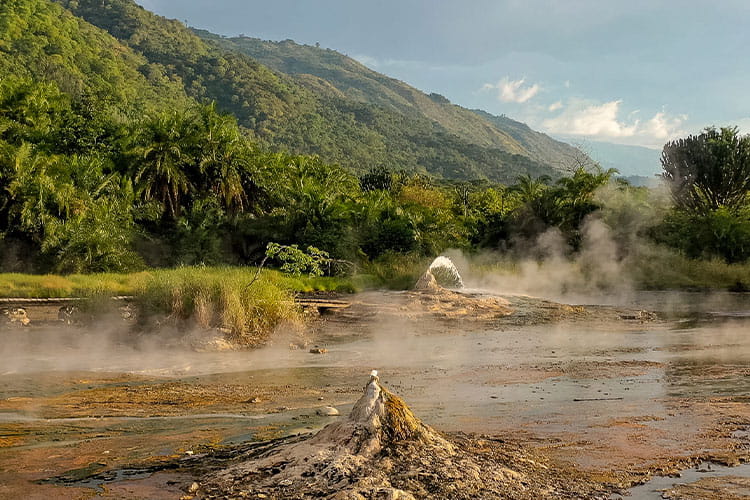
Located beyond the Kidepo Valley, the Kanangorok Hot Springs provide a scenic stop surrounded by open wilderness. The drive to the springs also offers beautiful views across the valley and towards the mountains near the Uganda-South Sudan border.
Apoka Area
The Apoka area is the main visitor hub within the park and provides access to several game-viewing routes, viewpoints and nearby wildlife areas.
Morungole Mountains
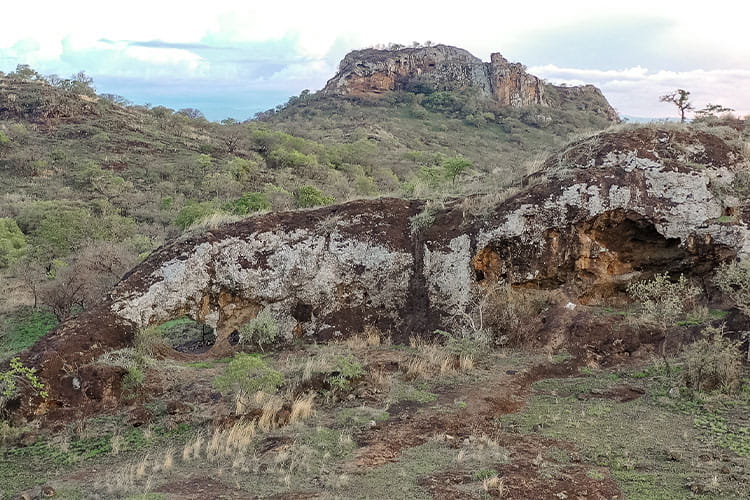
The mountains surrounding Kidepo give the park much of its dramatic character. Their rocky slopes and changing vegetation create a striking contrast with the open plains below.
Wildlife in Kidepo Valley National Park
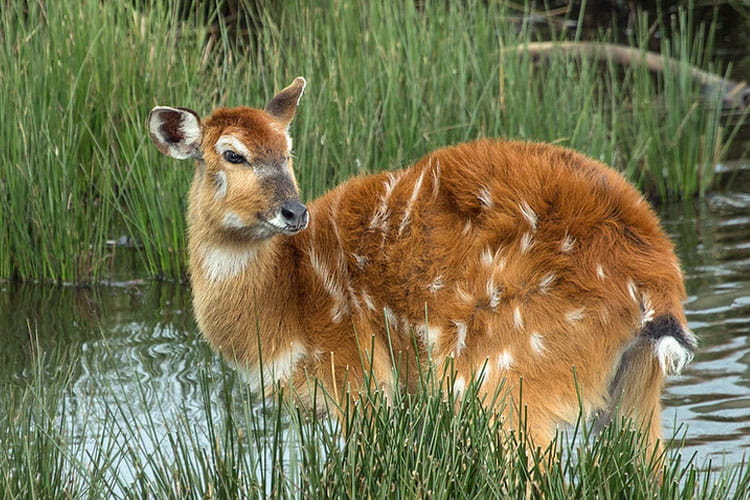
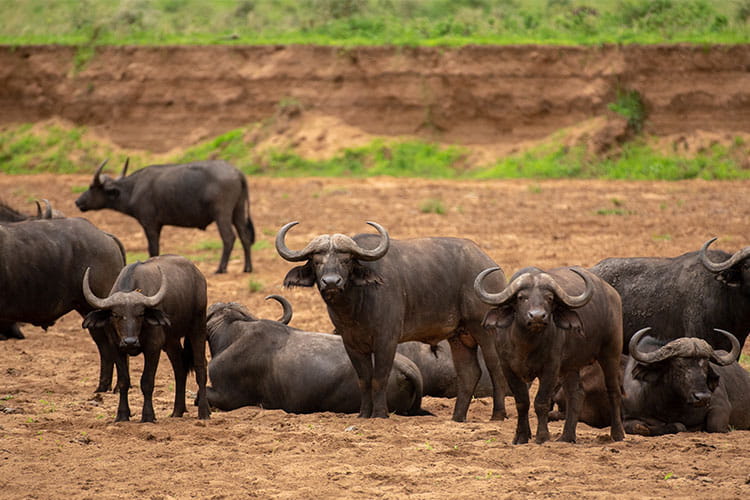
Kidepo supports an impressive range of wildlife, including elephants, buffaloes, giraffes, zebras, lions, leopards and cheetahs. The park is also known for species that are less commonly seen elsewhere in Uganda, including greater kudu, eland and ostrich.
Wildlife viewing is influenced by the season and location, with the Narus Valley often providing particularly good opportunities when water becomes scarce across the surrounding plains.
Things to Do in Kidepo Valley National Park
Game Drives
Game drives are the main way to explore Kidepo, with routes crossing open plains, valleys and woodland in search of wildlife. Early morning and late afternoon drives are especially rewarding as animals become more active.
Nature and Wilderness Walks
Guided walks provide a different way to experience Kidepo, allowing you to explore the landscape at a slower pace and notice smaller wildlife, plants, tracks and birdlife that can easily be missed from a vehicle.
Bird Watching
Kidepo is an excellent destination for bird enthusiasts, with a wide range of species found across its grasslands, valleys and rocky habitats. The park’s location in northeastern Uganda also gives it a bird community that differs from many other destinations in the country.
Visit to the Morungole Area
The Morungole Mountains are home to the Ik people, and a visit to the area can provide insight into their traditions, daily life and relationship with the surrounding environment.
Cultural Experiences
Travellers can also experience the culture of the Karamojong communities through guided community visits, traditional practices, stories and local ways of life.
Scenic Drives
Kidepo is as much about the landscape as the wildlife. Drives through the valleys and along mountain viewpoints provide opportunities for photography and a closer appreciation of the park’s scale and remoteness.
Best Time to Visit Kidepo Valley National Park
Kidepo can be visited throughout the year, but the dry seasons are generally preferred for wildlife viewing. From around December to February and June to September, animals are more likely to gather around reliable water sources and vegetation is generally easier to see through.
The wetter months bring greener scenery and can be particularly attractive for photography and bird watching. Rain may, however, make some roads more challenging, so journey planning is important.
How to Get to Kidepo Valley National Park
By Road
Kidepo can be reached by road from Kampala through the northern part of Uganda, with the journey taking considerably longer than travel to parks in western Uganda. It is often included as part of a longer Uganda safari rather than visited as a short standalone trip.
Kidepo can also be combined with destinations such as Murchison Falls, making the route part of a broader northern Uganda safari.
By Air
Scheduled and charter flights provide a much faster option for travellers who prefer to reduce driving time. Flights can operate to the airstrip serving the park, followed by a transfer to the lodge or safari camp.