Explore Uganda’s Smallest Savannah Park
Lake Mburo National Park offers a very different safari experience from Uganda’s larger and more remote wildlife parks. Located in western Uganda along the Kampala to Mbarara route, the park brings together open savannah, acacia woodland, rocky hills, wetlands and lakes in a compact landscape that is easy to explore.
Its wildlife is one of the main reasons travellers visit. Lake Mburo is particularly known for zebra, impala, eland, topi, buffalo, waterbuck and giraffe, while hippos and crocodiles can be found around the lakes. The park also has a strong reputation for bird watching, with wetlands and acacia woodland providing habitat for a wide range of species.
Lake Mburo also gives travellers more ways to experience the landscape than a standard game drive. You can explore by vehicle, walk with a ranger, take a boat on the lake, go horseback riding or experience the surrounding countryside by bicycle. Its position also makes it a convenient stop when travelling between Kampala and Uganda’s southwestern destinations.
Wildlife in Lake Mburo National Park
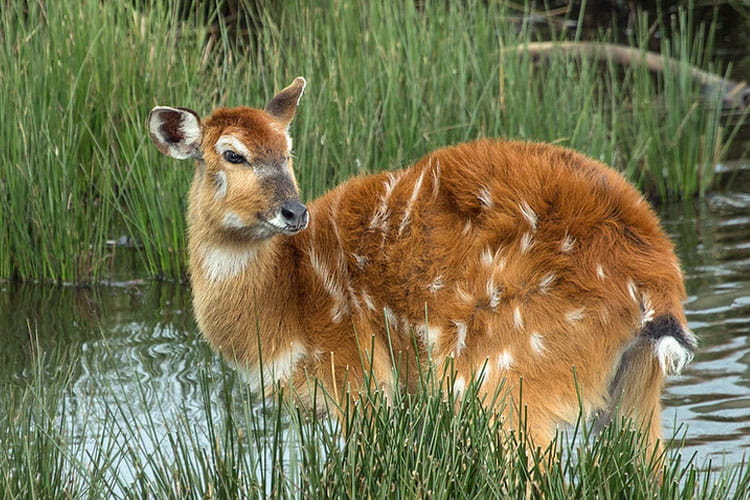
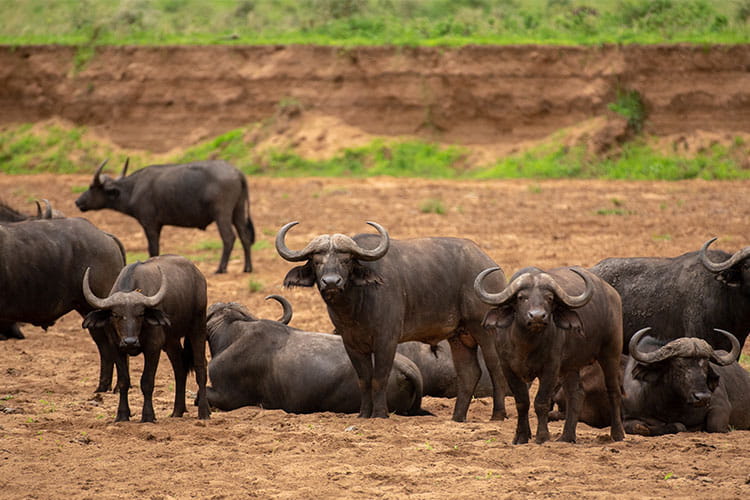
Lake Mburo is particularly rich in herbivores and is one of the best places in Uganda to see zebra and impala. The park also supports eland, topi, Uganda kob, waterbuck, bushbuck, reedbuck, oribi, duiker, buffalo, warthog and giraffe.
The woodlands and quieter parts of the park provide habitat for predators such as leopard and spotted hyena, although sightings are less predictable than the more commonly seen herbivores. Hippos and crocodiles are associated with the lakes, while primates such as vervet monkeys and olive baboons can also be encountered.
One of Lake Mburo’s strengths is the range of wildlife that can be seen within a relatively small area. A single game drive can move through open grassland, woodland and wetland habitats, giving you very different surroundings throughout the same outing.
Birdlife in Lake Mburo
Lake Mburo is an important birding destination, with its combination of wetlands, lakes, acacia woodland and grassland creating a wide variety of bird habitats.
The park is known for species such as the African finfoot, shoebill, red faced barbet, papyrus gonolek, grey crowned crane, southern ground hornbill and various kingfishers, herons and other water birds.
The areas around the wetlands are particularly productive for bird watching, while the woodland and forest sections offer different species. Bird watching can easily be combined with game drives, walks or a boat trip.
Attractions in Lake Mburo National Park
Lake Mburo
Lake Mburo is the largest of the lakes within the park and one of its defining features. Its shoreline attracts wildlife, while the surrounding wetlands provide habitat for birds and aquatic species.
The lake is also the setting for one of the park’s most relaxing experiences, a boat safari that gives you a different view of the wildlife and landscape.
Acacia Savannah
The open savannah and acacia woodland create the classic landscape associated with Lake Mburo. These areas are especially important for zebra, impala, giraffe, eland, topi and other grazing animals.
The combination of open plains and scattered woodland also makes this part of the park particularly appealing for photography.
Wetlands and Papyrus Swamps
Wetlands cover a significant part of Lake Mburo and are closely connected to the lakes and surrounding vegetation. The papyrus areas support aquatic wildlife and many bird species.
These wetlands also give the park a different character from Uganda’s drier savannah destinations and are best appreciated from both the shoreline and the water.
Rocky Hills and Viewpoints
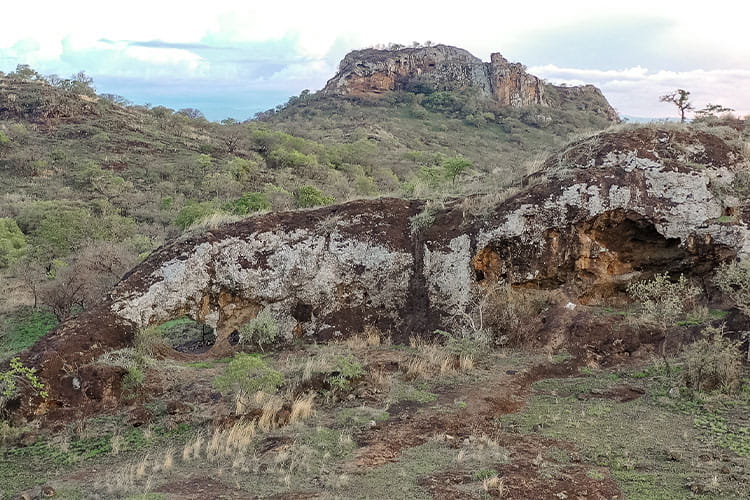
Lake Mburo has a gently rolling landscape with rocky ridges and hills rising above the surrounding plains. From selected viewpoints, visitors can look across the park towards its lakes, wetlands and woodland.
These higher points are particularly attractive for landscape photography and for taking in the wider scenery.
Ankole Cattle and Local Culture
The communities around Lake Mburo are strongly connected to cattle keeping, particularly the Banyankole Bahima and their long horned Ankole cattle.
A cultural visit offers the opportunity to learn about cattle keeping, traditional practices, local livelihoods and the relationship between the surrounding communities and the land.
Things to Do in Lake Mburo National Park
Game Drives
Game drives are one of the main ways to explore Lake Mburo National Park. The park has a network of tracks passing through savannah, woodland and wetland areas, making it possible to cover a variety of habitats during one outing.
Early morning drives are particularly appealing because wildlife is often active in the cooler hours. You can search for zebra, impala, buffalo, giraffe, eland, topi and other animals while exploring different parts of the park.
Night Game Drives
A night game drive offers a completely different view of Lake Mburo. Once darkness falls, the focus shifts towards nocturnal animals that are difficult to see during the day.
Depending on the conditions, you may encounter animals such as bushbabies, genets, porcupines and other night active species, as well as predators such as leopard and spotted hyena.
Boat Safari
A boat safari on Lake Mburo gives you an opportunity to experience the park from the water. The shoreline is a regular gathering place for wildlife, while the lake itself supports hippos, crocodiles and numerous water birds.
The boat also provides a quieter setting for photography and bird watching, particularly around the sections of shoreline and wetland where birds are most active.
Walking Safari
Walking allows you to experience Lake Mburo at a much slower pace. Accompanied by a ranger, you can explore trails around the park while looking for tracks, plants, insects, birds and wildlife that can easily be overlooked from a vehicle.
Walking also gives you the opportunity to experience the sounds and smaller details of the bush, making it one of the most personal ways to explore the park.
Horseback Riding
Horseback riding is one of the activities that sets Lake Mburo apart from many other Uganda safari destinations. Riding through the surrounding savannah provides a quieter way to move through the landscape and observe wildlife.
The experience is particularly appealing to travellers who want to explore outside a safari vehicle while enjoying a more active safari.
Mountain Biking
Cycling around the Lake Mburo area gives visitors another way to experience the landscape. Guided rides can take you along tracks and routes outside the park, with opportunities to see wildlife and pass through the communities and countryside surrounding the protected area.
Cultural Experiences
A cultural experience around Lake Mburo can introduce you to the pastoral traditions of the region. Depending on the experience arranged, visitors can learn about Ankole cattle, local food, traditional practices and everyday life in the surrounding communities.
Best Time to Visit Lake Mburo National Park
Lake Mburo can be visited throughout the year, although the drier months are generally preferred for wildlife viewing and easier movement around the park. June to August and December to January are commonly considered favourable periods.
During the wetter months, the landscape becomes greener and the park can be particularly attractive for photography and bird watching. The wet conditions can also make some roads and tracks more challenging, but they bring a different character to the park.
Because Lake Mburo is relatively close to Kampala and lies on the route to southwestern Uganda, it can also be a practical destination for travellers planning their safari around a particular schedule.
How to Get to Lake Mburo National Park
By Road
Lake Mburo National Park is one of Uganda’s most accessible wildlife destinations by road. From Kampala, the journey follows the main road towards Mbarara before turning towards the park.
The park has two commonly used access points from the Kampala side, Nshara Gate and Sanga Gate. Both provide access to the park and are close to the park headquarters at Rwonyo.
The journey from Kampala takes several hours depending on road conditions and traffic. Lake Mburo’s location also makes it convenient to include on journeys continuing towards Bwindi, Mgahinga or Queen Elizabeth National Park.
By Air
There are no direct commercial flights landing inside Lake Mburo National Park. Travellers using domestic or charter flights can fly from Entebbe or Kajjansi to Mbarara and then continue to the park by road.
For most visitors, travelling by road is the simplest option because of the park’s relatively easy access from Kampala and its location along the western Uganda route.